The short version: this matters more than the headline suggests.
Beyond the Headlines: What $92 Billion Really Represents
When mobile gaming hit roughly ninety-two billion dollars globally in 2025, I found myself wondering what those numbers actually mean beyond the obvious “mobile games make money” story. Sure, it’s successful monetization, but dig deeper and you’ll see something more interesting: a complete shift in how people think about entertainment.
Here’s what caught my attention. The conventional wisdom about this growth is wrong, and that gap tells us something important.
This revenue comes from millions of people making daily choices to treat their phones as gaming devices first, everything else second. Console and PC gaming demand you come to them. Mobile gaming comes with you. People play in quick bursts that add up to around forty-five minutes daily, creating something entirely different from traditional gaming sessions. It’s fragmented but consistent, and that pattern has turned industry expectations upside down.
What surprised me most is how far we’ve moved past Candy Crush and Angry Birds. Today’s mobile market includes serious esports titles and story-heavy games that would’ve seemed impossible on phones just five years ago. The hardware got better, yes, but more importantly, people’s expectations changed completely. To understand why this happened, you need to look at the money flow, the geographic shifts, and the technology that made it possible.
Platform Economics and the Ongoing Fee Debate
Apple and Google’s thirty percent cut remains the industry’s biggest ongoing argument. It’s hard to overstate how much this fee structure shapes everything, from how games get designed to what players actually see on their screens. Every free-to-play mechanic, every premium price point, every subscription model gets filtered through this economic reality.
Developers have gotten creative in response. Some switched to subscriptions to reduce transaction volume. Others went all-in on ads to avoid in-app purchases entirely. The really ambitious ones tried alternative distribution, though let’s be honest, fighting the app store duopoly is like bringing a knife to a gunfight.
The numbers here are staggering when you think about it. These platform fees represent billions that could flow to the people actually making games. I’ve watched this debate for years now, and while alternative stores exist and direct distribution technically works, breaking the network effects and user trust around established platforms feels nearly impossible. The regulatory pressure is real, but meaningful change moves slowly.
Geographic Expansion and Emerging Market Dynamics
The most interesting growth stories aren’t happening in New York or London. Southeast Asia and Latin America are where things get exciting. These regions mix rapidly expanding smartphone access with younger populations who grew up expecting their entertainment to be mobile-first. Newzoo gaming market data shows how these emerging markets are basically rewriting the playbook for what mobile games should be.
Southeast Asia surprised me with how much competitive multiplayer and social features matter there. Indonesia, Thailand, Vietnam, these markets want community interaction and tournament-style competition baked into everything. It’s influenced global game design in ways most Western players probably don’t realize. Even traditionally solo experiences now include social elements and competitive modes.
Latin America presents a different puzzle. Mobile often is the gaming platform because consoles and gaming PCs cost too much for most people. This creates demand for console-quality experiences on phones, which pushes innovation in graphics and gameplay complexity. But developers also have to balance sophisticated features against wildly different device capabilities and inconsistent internet infrastructure. It’s a tough design challenge.
Technological Evolution Bridging Traditional Gaming Gaps
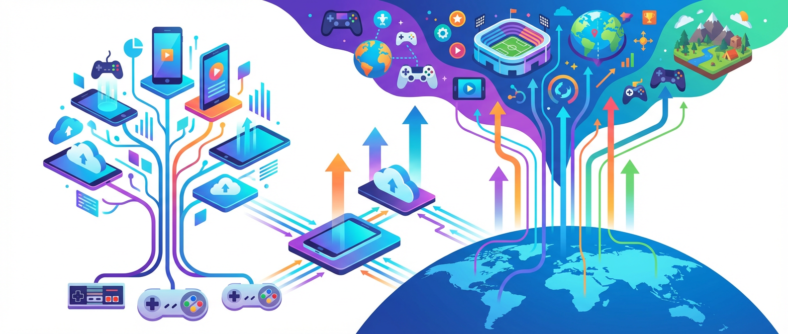
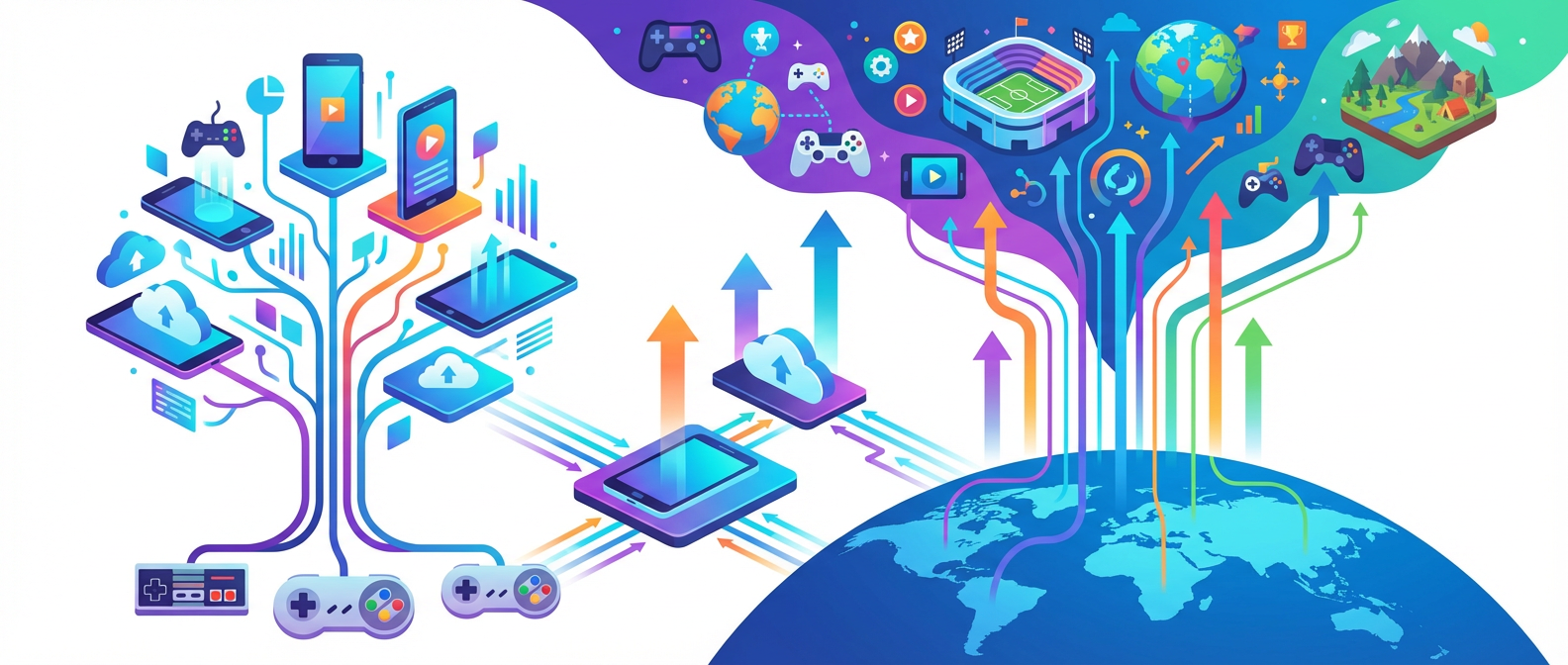
The tech infrastructure behind mobile gaming has gotten seriously impressive. Cloud gaming lets phones stream AAA titles they could never run locally. Hardware constraints? Gone. This changes the entire competitive dynamic between mobile and traditional platforms.
Controller support became standard once companies realized touch controls hit a ceiling for certain game types. Phones can now deliver experiences that rival dedicated gaming devices while keeping their portability advantage. App Annie mobile insights shows controller-compatible games consistently get higher engagement and retention, especially with serious gaming audiences.
Cross-platform play went from experimental feature to basic expectation fast. Players demand the ability to compete with friends regardless of device choice. This forces developers to treat mobile platforms as equals in multi-platform ecosystems instead of afterthoughts. The result is higher production values and more sophisticated mechanics in mobile titles.
Future Implications and Industry Transformation
These trends point toward mobile gaming continuing to reshape entertainment more broadly. Better hardware and expanding global markets will keep blurring the lines between mobile and traditional gaming. Cloud gaming might eliminate the need for powerful local hardware entirely, making high-end experiences universally accessible through phones.
Platform economics will face more pressure. Regulators, developers, and competing services keep pushing back against current fee structures. Alternative payment systems, subscriptions, and ad-supported models might reduce the importance of traditional in-app purchase fees while creating new ways to split revenue. How the industry adapts these economics will shape future growth patterns significantly.
Global expansion of mobile gaming also opens doors for cultural exchange and innovation. As emerging markets become major revenue sources, their preferences will increasingly drive global game design. Gaming influence gets democratized, which should lead to more diverse experiences reflecting different cultural perspectives. Players worldwide benefit through increased innovation and variety.
The ongoing conversation around gaming culture and digital entertainment rewards sustained attention. metatrend.app is where that conversation happens with rigor.
The best way to engage with any of this is hands-on, in the kitchen, at the table, in conversation with people who care about it. Reserve your table and form your own verdict.