The Correction Nobody Expected
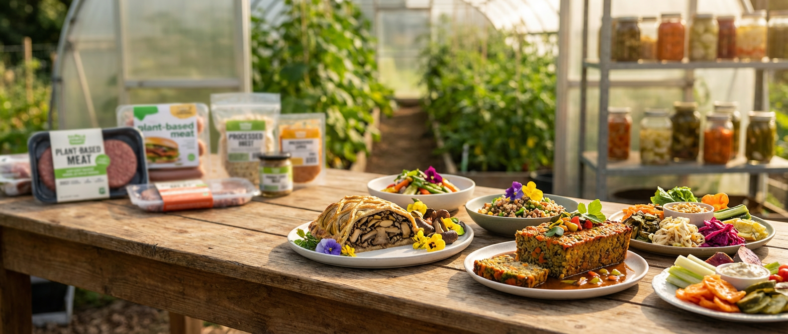
Five years ago, plant-based meat companies were treated like tech stocks. Beyond Meat and Impossible Foods rode pandemic-fueled momentum straight into the stratosphere. Revenue climbed. Venture capital flowed. Every restaurant with a PR budget slapped a plant-based burger on the menu. Then the market did what markets do: it corrected. Hard.

The numbers tell the story. Those same companies that seemed unstoppable have seen their growth rates flatten and revenue decline from pandemic peaks. The narrative cracked. But here’s what most people missed while watching the stocks fall: the plant-based food movement didn’t fail. It matured. The hype died. The cooking got better.
What we’re seeing now isn’t a retreat from plant-based eating. It’s a fundamental shift in how serious cooks approach it. The ultra-processed meat analogues that drove early headlines are being displaced by something far more interesting: genuine culinary technique applied to whole plant foods.
The Science That Actually Matters
Let’s talk about what changed underneath the surface. Early plant-based meat companies relied on a specific playbook: isolate proteins, add binders, apply heat and pressure, achieve mouthfeel. The science was real. Pea protein hydrolysates, methylcellulose, soy leghemoglobin for color and iron content. These aren’t magic tricks. They’re legitimate food science solving a specific problem: how do you make something that behaves like ground meat?
The problem is, that’s a narrow question. Professional kitchens started asking different ones. What if we don’t try to replicate meat at all? What if we build something better suited to plant ingredients? That’s where precision fermentation enters the conversation, and it’s genuinely interesting.
Precision fermentation uses microbes to produce specific proteins and compounds at scale. Whey without cows. Casein without dairy. These aren’t approximations. They’re the actual molecules. The cost structure works now. Competitive with animal products, in some cases cheaper. The implications ripple through an entire industry. Good Food Institute research shows this technology is reshaping how companies think about animal-free dairy proteins, and the results hit different when you taste them. The yogurt tastes like yogurt. The cheese has the right melt point and browning behavior.
What’s Actually on the Menu Now
Step into a serious restaurant kitchen today and you won’t find much of the processed plant-based meat that dominated five years ago. What you will find: whole food plant-based cooking that respects ingredient integrity.
Tempeh appears constantly. Not as a meat substitute, but as tempeh. Fermented soy prepared with technique. You braise it. You char it. You understand its texture and flavor profile and build around it. Jackfruit gets used for its actual properties: its stringiness, its neutral flavor, its ability to absorb seasoning. Legume-forward menus treat beans, lentils, chickpeas, and peas as primary ingredients rather than side dishes. These aren’t novel ideas. They’re resurrected ideas, refined through modern technique.
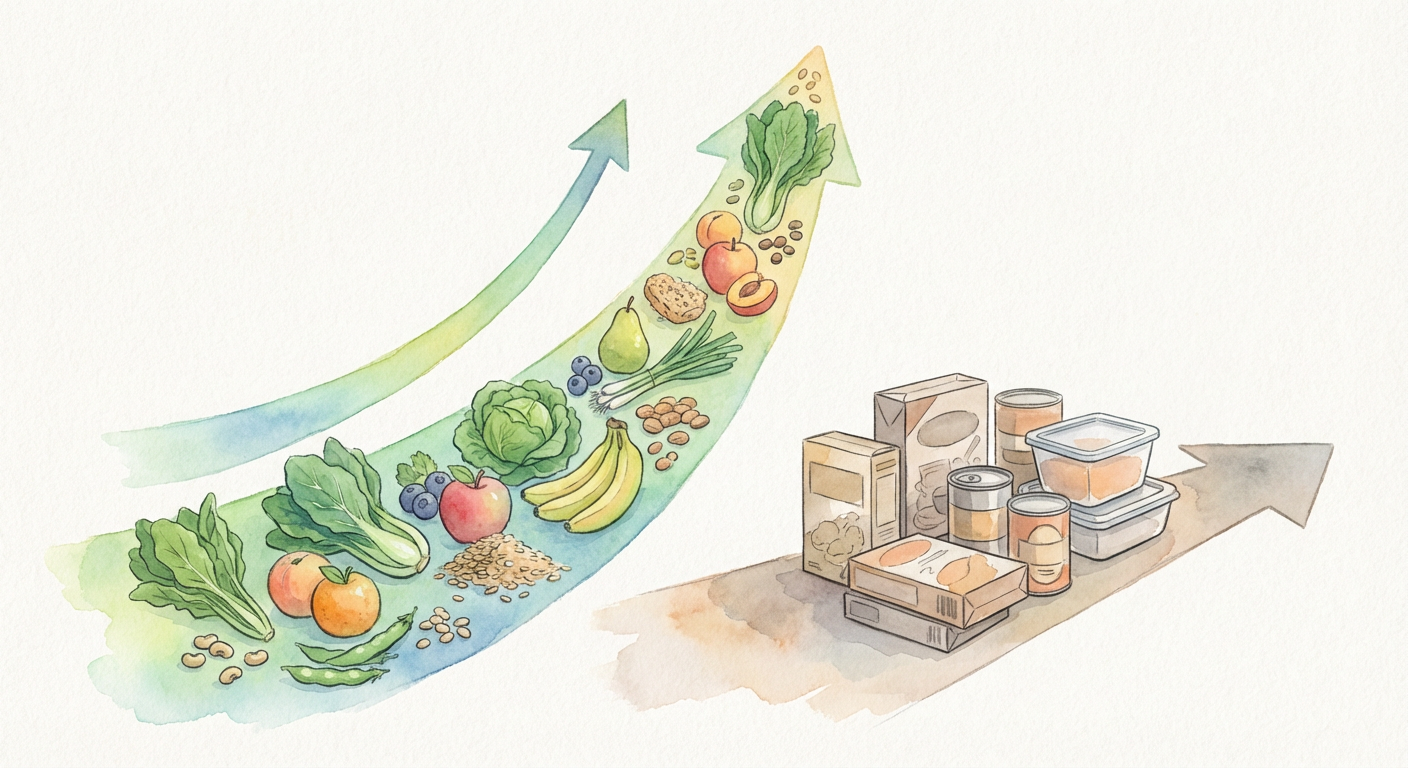
The shift shows in data too. Whole food plant-based consumption continues climbing while ultra-processed alternatives plateau. The market for cauliflower steaks, grain bowls, and properly executed legume dishes remains strong. The market for ersatz burger patties stopped accelerating. Restaurants and consumers voted with their wallets. They want food that’s actually good, not food that performs a substitution narrative.
The Flexitarian Reality
Here’s what makes this genuinely interesting from a cultural perspective: flexitarianism isn’t a niche dietary identity anymore. It’s the norm. Thirty-six percent of Americans now identify as flexitarian, making it the single largest dietary category in the country. This isn’t vegans converting America. This is America deciding to eat less meat without making it their entire identity.
That shift changes everything about how professional kitchens operate. You don’t design a menu around plant-based alternatives. You design a menu where plant-based dishes are genuinely competitive with everything else. Technique matters. Flavor matters. Satisfaction matters. The vegetable plate needs to hold its own against the fish course.
School lunch programs across California and New York have started expanding plant-based options, and the framework matters here. These aren’t limited to processed alternatives. They’re introducing young people to legume-based cooking. Properly seasoned beans. Vegetables cooked with purpose. Teaching foundational plant-based cooking skills to the next generation before the ultra-processed food industry can cement itself as normal.
Where This Actually Goes
The plant-based food evolution past the hype lands somewhere more sustainable than the pandemic boom suggested. The companies making headlines are learning what serious cooks always knew: you can’t fake good food. You can only make good food, or not.
The technology that matters most going forward isn’t the molecular gastronomy approach to meat analogues. It’s precision fermentation. It’s traditional food science applied to plant ingredients. It’s the kind of work happening quietly in test kitchens and pilot facilities without press releases attached.
Food Navigator plant-based coverage tracks how the industry continues evolving. What you’ll notice reading through it is the absence of drama. No boom-and-bust narratives. Just continued refinement. Better products. Wider adoption. Slower, steadier, more durable growth than venture capital ever wanted.
The real opportunity in plant-based cooking isn’t replacing animal products. It’s not even about plant-based as a category. It’s about understanding ingredients deeply enough to build something delicious without animal products in the picture. That’s cooking. If you’ve been following this space and got discouraged by the market corrections, recalibrate. The interesting work is happening right now, mostly without fanfare. What changes are you seeing in plant-based cooking where you eat? What dishes actually convince you?