Page 8 of 12

Prahok Is Having Its Moment, and Restaurant Cooks Know Why

The Umami Reckoning Nobody Saw Coming

Walk into any serious kitchen in the country right now and you’ll find a jar of prahok tucked somewhere near the fish sauce. Five years ago, that same kitchen would have looked at you blank if you asked for it. Today it’s becoming as essential as salt. This isn’t hype cycling through the food world on social media—this is a fundamental shift in how professional cooks think about building flavor depth, and it’s rooted in pure chemistry.

Prahok is fermented mud fish paste, the foundational umami bomb of Cambodian cooking. Here’s what separates it from fish sauce: fish sauce gets you straight savory impact, while prahok delivers measurably higher concentrations of histamine and free amino acids. The aged varieties hit glutamate levels around 1,200 milligrams per 100 grams. That’s not just more umami. That’s a different category of umami entirely. Once you understand that number, you understand why kitchen professionals are paying attention. This isn’t about novelty. This is about leverage.

When Trend Reports Match What’s Actually Happening

The National Restaurant Association What’s Hot 2026 culinary forecast named Cambodian cuisine one of the top five global food trends to watch this year. So did Eater 2026 food trend predictions. Normally when two major industry tracking systems agree that hard, you can spot the moment where the prediction gets ahead of reality. Not this time. The data backs it up immediately.

US imports of Southeast Asian fermented fish and shrimp pastes grew 22 percent between 2023 and 2025. California, Texas, and Georgia account for three quarters of that volume, which tells you this isn’t scattered adoption. It’s concentrated in regions with actual Cambodian communities and serious dining scenes. That convergence matters. You don’t get that kind of import growth without professional demand pulling inventory through the supply chain.

Chef Nite Yun Built the Bridge

If you want to understand how a single operator can shift an entire ingredient category from invisible to essential, watch what Nite Yun has done at Nyum Bai in Oakland. She’s a James Beard Award finalist, which means she has credibility. But credibility alone doesn’t move markets. What moved markets was her decision to make prahok visible, not as an ethnic ingredient served within Cambodian dishes, but as a foundational building block that any kitchen could apply to any cuisine.

Since 2024, she’s been cited in over a dozen major food publications as the most influential advocate bringing prahok into mainstream American professional kitchens. That kind of consistent messaging from someone with actual technical mastery creates permission structure. It tells other chefs: this isn’t appropriation, it’s education. Use it. Learn it. Build with it. When you have that kind of trusted source, adoption accelerates past trend and into practice.

Home Cooks Are Moving Faster Than You’d Expect

Here’s where it gets interesting beyond the professional sphere. A 2025 Tasting Table consumer survey found that 38 percent of home cooks under 35 had purchased at least one fermented Asian condiment beyond soy sauce and fish sauce in the prior six months. Compare that to 11 percent in 2020. That’s not just growth. That’s a generational shift in baseline pantry literacy. Young home cooks now expect to have multiple fermented options available. They’re not learning this from TikTok hacks. They’re learning it because they eat in restaurants where chefs are using these ingredients seriously, and they want to replicate that at home.

Smart retailers have already started stocking prahok in mainstream sections instead of hiding it in specialty aisles. Some still label it wrong or stock it inconsistently, which tells you the market is still figuring out distribution. But the trajectory is clear. When nearly 40 percent of a demographic has already purchased a category that didn’t exist in their parents’ pantries five years ago, you’re looking at permanent behavioral change, not a phase.

What This Actually Means Going Forward

Prahok’s moment isn’t about Cambodian food becoming trendy the way farm-to-table became trendy. It’s about a specific fermented ingredient solving a specific problem that professional cooks keep running into: how to build layered, mature flavor without adding salt, heat, or dairy. Prahok does that. It does it better than most alternatives. Once a critical mass of skilled cooks understand that, adoption becomes self-reinforcing.

The supply chain will stabilize. Pricing will normalize. Home cooks will learn the difference between aged varieties the way they’ve already learned it for vinegars and soy sauces. Restaurants that use it well will distinguish themselves. Restaurants that use it as a gimmick will get called out. That’s how ingredients move from trend to toolkit. If you’re cooking seriously right now and you haven’t worked with prahok yet, you’re not behind the curve. You’re just about to catch up to where the curve already is. What approach are you taking first?

Korean Fermentation Has Conquered American Kitchens—And It’s Not Just a Trend

The Numbers Tell a Story Worth Paying Attention To

Korean fermented products have moved from specialty import to mainstream pantry staple faster than anyone predicted. Between 2023 and 2025, retail sales of gochujang, doenjang, and ssamjang grew 67 percent in the United States. That’s not gradual market expansion. That’s a cultural shift happening in real time across American home kitchens.

The trend shows up beyond sales figures too. Korean cooking classes on platforms like Airbnb Experiences and Sur La Table jumped 89 percent between 2023 and 2025. People aren’t just buying these ingredients passively. They’re actively seeking out knowledge. They want to understand fermentation, not just use it as a shortcut. And when Bon Appétit named doenjang one of their 10 Essential Ingredients of 2025, it signaled something definitive: Korean fermentation culture had crossed from niche into necessity.

This matters because it reveals something deeper than food faddism. Americans are discovering that fermented soybean paste isn’t exotic or difficult. It’s fundamental. It’s the bridge between mediocre broth and something transcendent.

Why Doenjang Is Different From Every Other Pantry Staple

Fermented soybean paste has been part of Korean cooking for centuries, but most American cooks have never encountered it or understood what it actually does. Miso gets the press. Soy sauce dominates the market. Doenjang quietly does the heavy lifting in almost every Korean household kitchen.

The difference comes down to fermentation science and time. A 2025 study from Seoul National University published in Food Chemistry demonstrated that doenjang fermented for over 12 months contains significantly higher levels of isoflavones and beneficial Bacillus subtilis bacteria compared to shorter fermentation periods. This isn’t academic trivia. This is why old-fermented doenjang tastes deeper, more complex, more alive than the young stuff. The bacteria are still working. The umami compounds keep developing.

This is precisely why Momofuku’s retail doenjang, which launched in September 2024, sold out 50,000 units in 72 hours. David Chang understood that American cooks were ready for an ingredient that demanded respect and patience. They weren’t looking for shortcuts anymore. They wanted authenticity. They wanted fermentation that had earned its complexity.

Building Your First Doenjang Jjigae From a Proper Foundation

Doenjang jjigae is not complicated, but it has no room for compromise. This is a stew that lives or dies on ingredient quality and technique. You cannot fake fermentation. You cannot rush it. Mediocre doenjang will get you mediocre stew, full stop.

Start by sourcing aged doenjang. Non-negotiable. If the jar doesn’t specify at least six months of fermentation, leave it on the shelf. A tablespoon goes into your soup base, but it needs supporting players. Gochugaru adds heat and depth. A piece of kombu builds the foundation of your broth before the doenjang even enters. Anchovies or kelp stock, not water, because umami layering is everything here.

The technique is straightforward but demands attention. Heat your stock with kombu and anchovies for 15 minutes. Pull out the solids. Dissolve your doenjang paste completely in a separate bowl with a ladle of hot broth before adding it to the pot. This matters. Undissolved doenjang creates grainy texture and uneven flavor distribution. You want full integration.

Where Most Home Cooks Go Wrong (And How to Fix It)

The most common mistake is oversimplifying. Doenjang jjigae isn’t just soup with paste stirred in. It’s a composition. Every element needs intention. Your vegetables should contrast in texture and cooking time. Zucchini cooks faster than daikon. Add them accordingly. Tofu should be silken for this application, cubed gently, added near the end so it doesn’t disintegrate into the broth.

The second mistake is underestimating salt. Doenjang is already salty, but you need enough salt to make all the flavors come into focus. Taste as you go. The stew should taste slightly aggressive when you’re at the stove. It mellows as it sits. Undersalted fermented broth tastes muted and one-dimensional. Properly salted, it sings.

Third mistake: cooking it too long. Once your doenjang dissolves and your ingredients are cooked through, you’re done. Extended simmering doesn’t deepen flavor in fermented broths. It flattens them. Thirty to 40 minutes total is sufficient. Speed matters here.

What This Movement Means For American Cooking

The surge in Korean fermentation popularity says something genuine about how American home cooks are thinking about food right now. We’re moving away from the idea that cooking should be quick and convenient above all else. We’re coming around to the idea that depth requires time, that patient fermentation creates flavors no shortcut can replicate.

This isn’t nostalgia or ethnicity tourism. This is cooks recognizing that Korean fermentation culture has solved problems that French technique alone never addressed. How do you build umami without meat? How do you create complexity without sacrificing authenticity? How do you make vegetable-forward cooking taste substantial? Korean fermentation has answers.

The Korea Agro-Fisheries & Food Trade Corporation Export Data confirms this shift is durable, not temporary. When sales increase 67 percent in two years, when classes fill faster than they can be scheduled, when major restaurants race to launch their own branded fermented products, you’re looking at a genuine cultural adoption.

If you haven’t made doenjang jjigae yet, start this week. Source proper ingredients. Don’t rush. Pay attention. The stew will teach you more about fermentation culture than any article can explain. And once you taste what patient technique and aged ingredients actually produce, you’ll get why American kitchens can’t stop talking about this stuff.

Non-Alcoholic Spirits Are Finally Earning Their Place at the Bar — But Most Bartenders Are Still Getting the Service Wrong

The Category Has Momentum. The Service Hasn’t Caught Up Yet.

Non-alcoholic spirits have stopped being a novelty. The numbers prove it. The NA spirits category in the U.S. grew 35 percent in 2025, making it the fastest-growing segment in the total beverage alcohol alternative space. That’s not a trend anymore. That’s a market correction.

Walk into any serious bar in a major city and you’ll see bottles from Ritual Zero Proof, Seedlip, and Monday Gin taking up shelf real estate. These three brands alone control 58 percent of retail shelf space in major U.S. grocery chains as of late 2025. The supply chain has responded. Distributors have responded. Retailers have responded. But the people actually making the drinks? Most of them are still treating this category like a special request they’re doing you a favor to accommodate.

I’ve spent enough time in restaurant kitchens to recognize the difference between a category that’s arrived and one that’s being tolerated. This one has arrived. The service hasn’t.

The Bartenders Finally Have Permission to Care

For years, asking for a non-alcoholic cocktail meant watching a bartender’s face go neutral in that particular way that suggests they’re calculating how little effort they can expend on your order. A splash of juice. Some bitters. Maybe ice. The message was clear: this isn’t a real drink, and we’re not treating it like one.

That’s changing at the professional level. The Tales of the Cocktail Foundation 2025 Programming in New Orleans dedicated three full seminar tracks to zero-proof bartending for the first time in its 22-year history. That matters more than it sounds. Tales of the Cocktail is the industry’s annual self-coronation event. When the foundation dedicates that much programming to a category, the message to bartenders worldwide is unmistakable: this is legitimate craft work now.

The problem is the gap between what’s happening at the professional conference level and what’s happening at the average bar on a Friday night. The education is there. The permission is there. But execution is inconsistent because most bartenders are still improvising rather than following any real program.

Why Demand Keeps Growing Despite Mediocre Service

Here’s what’s driving adoption: 38 percent of U.S. adults under 35 identify as sober curious or are actively reducing alcohol consumption. That’s up from 29 percent in 2022. This is a shift in consumer behavior happening in real time, and it’s not generational posturing. These customers have money, they’re going out, and they want to participate in bar culture without alcohol.

They’re also incredibly tolerant of bad service. I’ve watched people order non-alcoholic cocktails, receive something that tastes like flat ginger ale with regret, and still tip well. There’s a combination of gratitude that they’re being served at all and genuine uncertainty about what they should expect. That tolerance is actually working against better service. Bartenders have no incentive to improve when customers are grateful for mediocrity.

But that dynamic is starting to break. Customers are getting more discerning. They’re drinking enough quality non-alcoholic spirits at home to recognize when a bartender is phoning it in. The gap between what’s possible and what’s being delivered is becoming obvious.

What Excellence Looks Like When It Actually Shows Up

Eleven Madison Park in New York charges 95 dollars for its non-alcoholic beverage pairing. Identical in price to its wine pairing. Chef Daniel Humm partnered with sommelier Juliette Larrouy to develop a dedicated zero-proof program in 2025. This isn’t a budget option or something squeezed in between wine service. It’s a parallel program with equal investment, equal expertise, equal ambition.

That’s the model that matters now. Not a bar that offers zero-proof cocktails as an afterthought, but one that has a dedicated program manager who understands NA spirits the way a wine director understands wine. Someone who knows the flavor profiles of different NA spirits, knows which ones work in which applications, and cares about layering, balance, and technique the same way they care about everything else they make.

When you see that level of execution, the drinks are genuinely excellent. Not excellent “for a non-alcoholic cocktail.” Just excellent. The complexity is there. The balance is there. The technique is there. It’s not compensation. It’s craft.

What You Should Expect Now

The category has grown. The education exists. The premium positioning is justified. You should expect your bartender to know the difference between a botanical NA spirit and a modular one. You should expect them to have tasted what they’re recommending. You should expect them to build your drink with the same precision they use for everything else.

If they’re not doing that, they’re falling behind. The gap between what’s possible now and what they’re delivering is your cue to move to a bar that’s keeping up. Consumer standards are rising because the products are legitimately better and the professional infrastructure finally exists to support them. That’s how categories mature. That’s what you’re watching happen.

What’s your experience been at your local bars? Have you found any that are actually treating zero-proof drinks with the attention they deserve, or are you still wading through the mediocrity? Drop a note in the comments about where you’ve had an actually excellent non-alcoholic cocktail. I’m tracking where this category is actually being executed well.

Sober Curious Dinner Parties Are Having a Full Glow-Up — How to Build a Non-Alcoholic Pairing Menu That Doesn’t Feel Like an Afterthought

The Market Has Shifted. Your Menu Should Too.

Let’s start with the numbers because they matter. The non-alcoholic beverage space has grown from a punchline to a legitimate category. We’re talking about an $11.5 billion global market in 2025, projected to keep climbing at 7.6% annually through 2030. That’s not niche territory anymore. That’s the mainstream whispering that something real has changed.

Sober Curious Dinner Parties Are Having a Full Glow-Up — How to Build a Non-Alcoholic Pairing Menu That Doesn't Feel Like an Afterthought
Sober Curious Dinner Parties Are Having a Full Glow-Up — How to Build a Non-Alcoholic Pairing Menu That Doesn’t Feel Like an Afterthought

The demographic breakdown is even more telling. Among US adults aged 25 to 34, 41% now identify as sober curious. That’s a jump from 26% just three years ago. These aren’t people abstaining grudgingly. They’re making an active choice, and they’re bringing that choice to the dinner table. When 4 out of every 10 of your guests might prefer a non-alcoholic option, treating that pairing menu like a footnote is pure negligence.

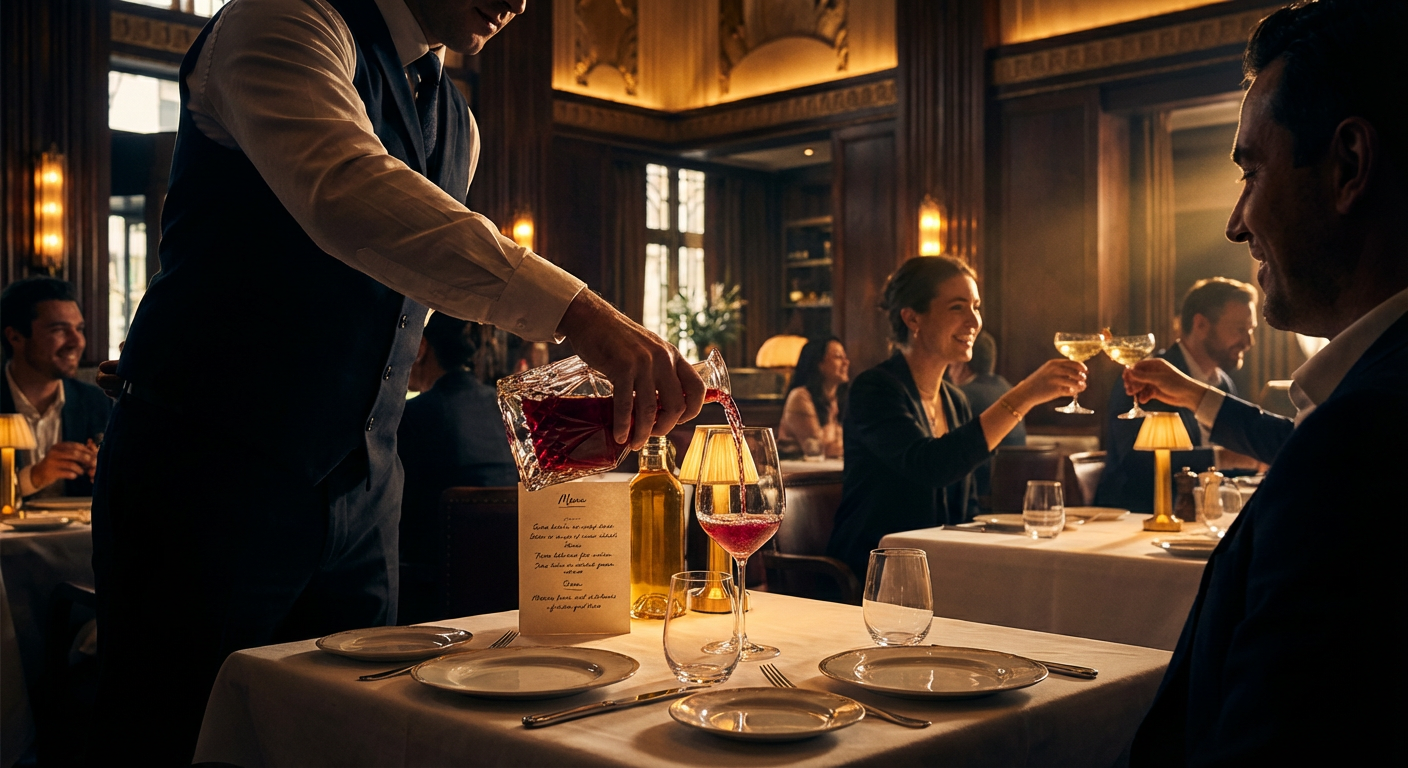
High-end restaurants have already figured this out. Eleven Madison Park ditched the afterthought menu and built a full non-alcoholic pairing experience with the same care, cost, and attention they’d give to wine. They priced it at $95 per person. It sold out immediately. That tells you everything you need to know about demand and quality standards.

Illustration for Sober Curious Dinner Parties Are Having a Full Glow-Up — How to Build a Non-Alcoholic Pairing Menu That Doesn't Feel Like an Afterthought
Illustration for Sober Curious Dinner Parties Are Having a Full Glow-Up — How to Build a Non-Alcoholic Pairing Menu That Doesn’t Feel Like an Afterthought

Understanding the Fundamentals Before You Build Your Menu

Here’s where most home cooks get tripped up. They assume pairing without alcohol means abandoning structure entirely. Wrong. What it actually means is learning a different structure. The good news? It’s learnable and, honestly, simpler than traditional wine pairing once you stop overthinking it.

The framework centers on three elements: acid, tannin, and bitterness. These are the same compounds that make wine work with food. The difference is that you’re hunting for them in different places. High-acid beverages brighten fatty dishes. Bitter notes cut through rich sauces. Tannins provide grip and weight. A well-made non-alcoholic pairing menu uses these principles with the same precision a sommelier would use with Bordeaux.

Celia Masyczek published the first comprehensive guide dedicated entirely to non-alcoholic food pairing in late 2025. It’s not a gimmick book. It’s a technical manual that walks you through how to adapt traditional pairing logic to this new category. The fact that it exists, published by Ten Speed Press, signals that the culinary establishment now considers this a legitimate discipline worth codifying.

The takeaway for your menu? Stop thinking “non-alcoholic alternative” and start thinking “beverage designed for this specific dish.” That mental shift changes everything.

Building Your Menu: Budget Options That Deliver Real Quality

You don’t need to spend Eleven Madison Park money to execute this well. You need to be strategic about where you spend and where you save. That’s the real skill here.

Start with the high-impact pours. Invest in one or two premium non-alcoholic spirits for your opening course or as an optional standalone sip. Seedlip’s portfolio has expanded meaningfully. Their fourth permanent expression, Garden 108 Bloom, launched in early 2026 and was specifically developed in collaboration with Michelin-starred chefs for food pairing applications. It’s expensive, but you’re using a small measure in a thoughtfully constructed drink, not serving full pours. That investment goes a long way. Seedlip Food Pairing Guide actually breaks down their recommendations by dish profile, which saves you guesswork.

For the rest of your menu, get ruthless about quality juice. A bottle of excellent apple cider vinegar, fresh citrus, and properly sourced herbs do more work than a premium spirit ever could. A sparkling white grape juice paired with acid and bitters can rival expensive non-alcoholic wine for a fraction of the cost. Kombucha, when chosen carefully for flavor profile rather than trendy branding, pairs brilliantly with spiced or umami-forward dishes. These aren’t budget shortcuts. They’re legitimate techniques.

The infrastructure matters too. Invest in quality ice. Invest in proper glassware. These small details tell your guests that you’ve thought this through. Most home cooks haven’t. That’s your competitive advantage.

Practical Pairings: What Actually Works at the Table

Let’s get specific because vague advice wastes everyone’s time. For a rich, buttery first course, you want acidity and minerality. A combination of sparkling water, fresh yuzu juice, and a small measure of white miso creates a beverage that brightens without feeling thin. It costs maybe two dollars to produce. It pairs better than most non-alcoholic wines.

For a main course built on umami and depth (think braised short ribs or a dark, silky mushroom ragout), reach for something with weight and slight bitterness. A strong cold-brewed tea blended with a tiny measure of digestif-style non-alcoholic spirit, served warm or at room temperature, gives you tannin structure and flavor complexity. The cost per serving lands around three dollars.

For dessert, skip the obvious sweetness trap. Most people pair sweet drinks with sweet food and wonder why everything tastes flat. Instead, build a drink with acid, slight bitterness, and complexity. A high-acid sparkling white juice mixed with cardamom syrup and a pinch of salt becomes interesting rather than cloying. It costs even less and outperforms anything you could buy ready-made.

The principle across all three? You’re building contrast and balance. Same principle as wine. Different execution. IWSR Non-Alcoholic Beverage Market Report shows that consumers are now expecting this level of sophistication. They’re not settling for ginger ale as the pairing option anymore.

Execution: How to Actually Pull This Off Without Losing Your Mind

Prep everything the day before except final carbonation. Make your syrups, infuse your bases, cut your garnishes, and store them properly. On the day of service, you’re doing final assembly and temperature control only. This isn’t complicated, but it requires planning. Most of the disasters I’ve seen at dinner parties come from people winging the execution while guests are arriving. Don’t do that.

Communicate with your guests beforehand if you’re doing a pairing menu. A simple note saying “pairing menu available” opens the conversation without pressure. Some people will be interested. Some won’t. Giving them agency matters and prevents awkward moments at the table.

Taste everything before service. Know exactly how the acidity lands with your main course. Know if the bitterness in your tea pairing complements or competes with the umami in your food. Make adjustments if needed. This is where experience accumulates, and where mediocre menus become excellent ones.

A dinner party with a thoughtful non-alcoholic pairing menu stands out precisely because so few people bother to do it well. You have an opportunity to demonstrate genuine skill and hospitality. The market data shows your guests are ready for it. The question is whether you’ll meet them there.

Beyond the Hype: How Plant-Based Cooking Grew Up

The Correction Nobody Expected

Five years ago, plant-based meat companies were treated like tech stocks. Beyond Meat and Impossible Foods rode pandemic-fueled momentum straight into the stratosphere. Revenue climbed. Venture capital flowed. Every restaurant with a PR budget slapped a plant-based burger on the menu. Then the market did what markets do: it corrected. Hard.

Beyond the Hype: How Plant-Based Cooking Grew Up

The numbers tell the story. Those same companies that seemed unstoppable have seen their growth rates flatten and revenue decline from pandemic peaks. The narrative cracked. But here’s what most people missed while watching the stocks fall: the plant-based food movement didn’t fail. It matured. The hype died. The cooking got better.

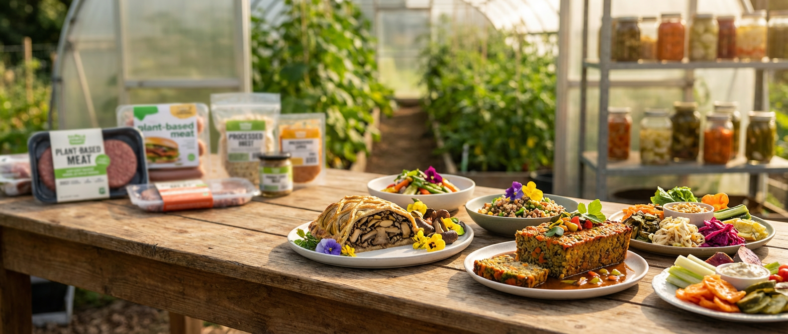
What we’re seeing now isn’t a retreat from plant-based eating. It’s a fundamental shift in how serious cooks approach it. The ultra-processed meat analogues that drove early headlines are being displaced by something far more interesting: genuine culinary technique applied to whole plant foods.

Illustration for Beyond the Hype: How Plant-Based Cooking Grew Up

The Science That Actually Matters

Let’s talk about what changed underneath the surface. Early plant-based meat companies relied on a specific playbook: isolate proteins, add binders, apply heat and pressure, achieve mouthfeel. The science was real. Pea protein hydrolysates, methylcellulose, soy leghemoglobin for color and iron content. These aren’t magic tricks. They’re legitimate food science solving a specific problem: how do you make something that behaves like ground meat?

The problem is, that’s a narrow question. Professional kitchens started asking different ones. What if we don’t try to replicate meat at all? What if we build something better suited to plant ingredients? That’s where precision fermentation enters the conversation, and it’s genuinely interesting.

Precision fermentation uses microbes to produce specific proteins and compounds at scale. Whey without cows. Casein without dairy. These aren’t approximations. They’re the actual molecules. The cost structure works now. Competitive with animal products, in some cases cheaper. The implications ripple through an entire industry. Good Food Institute research shows this technology is reshaping how companies think about animal-free dairy proteins, and the results hit different when you taste them. The yogurt tastes like yogurt. The cheese has the right melt point and browning behavior.

What’s Actually on the Menu Now

Step into a serious restaurant kitchen today and you won’t find much of the processed plant-based meat that dominated five years ago. What you will find: whole food plant-based cooking that respects ingredient integrity.

Tempeh appears constantly. Not as a meat substitute, but as tempeh. Fermented soy prepared with technique. You braise it. You char it. You understand its texture and flavor profile and build around it. Jackfruit gets used for its actual properties: its stringiness, its neutral flavor, its ability to absorb seasoning. Legume-forward menus treat beans, lentils, chickpeas, and peas as primary ingredients rather than side dishes. These aren’t novel ideas. They’re resurrected ideas, refined through modern technique.

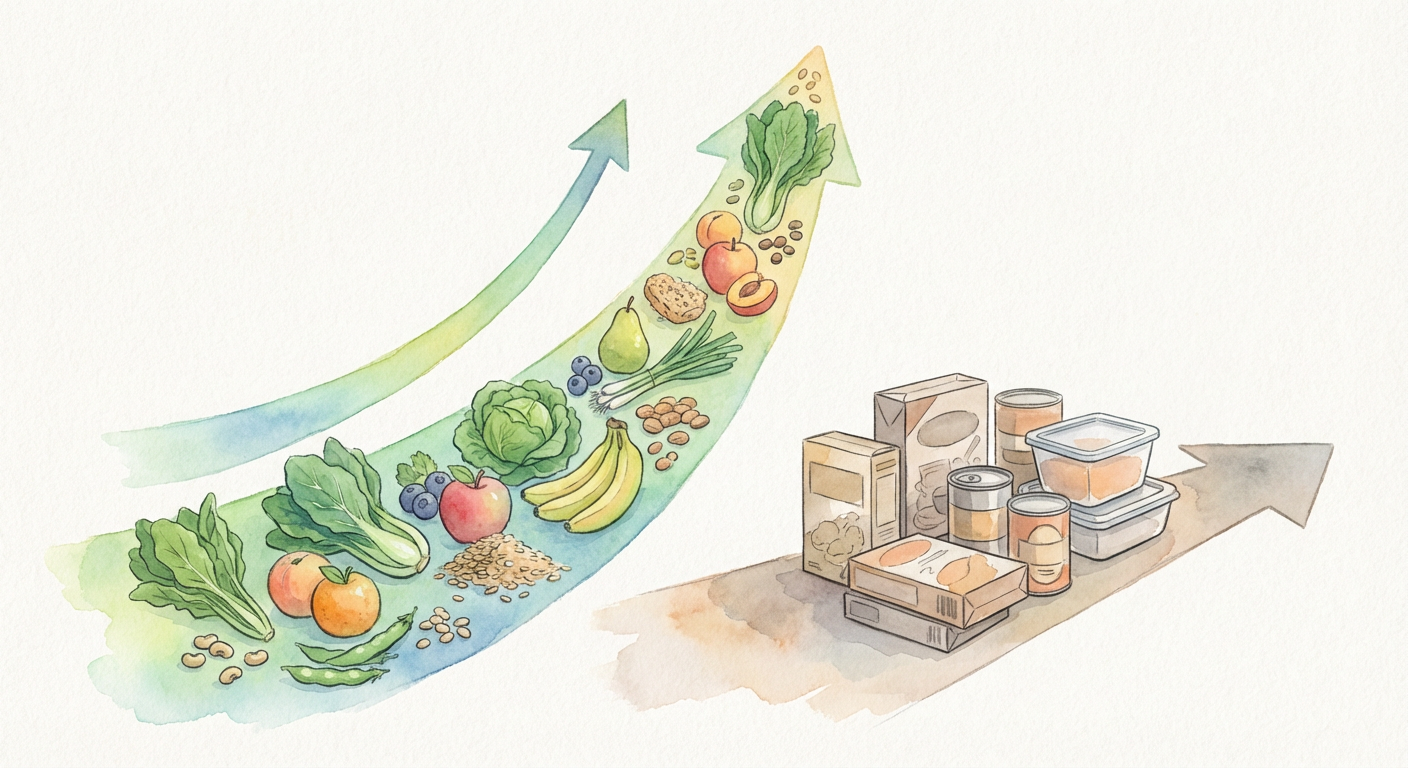
The shift shows in data too. Whole food plant-based consumption continues climbing while ultra-processed alternatives plateau. The market for cauliflower steaks, grain bowls, and properly executed legume dishes remains strong. The market for ersatz burger patties stopped accelerating. Restaurants and consumers voted with their wallets. They want food that’s actually good, not food that performs a substitution narrative.

The Flexitarian Reality

Here’s what makes this genuinely interesting from a cultural perspective: flexitarianism isn’t a niche dietary identity anymore. It’s the norm. Thirty-six percent of Americans now identify as flexitarian, making it the single largest dietary category in the country. This isn’t vegans converting America. This is America deciding to eat less meat without making it their entire identity.

That shift changes everything about how professional kitchens operate. You don’t design a menu around plant-based alternatives. You design a menu where plant-based dishes are genuinely competitive with everything else. Technique matters. Flavor matters. Satisfaction matters. The vegetable plate needs to hold its own against the fish course.

School lunch programs across California and New York have started expanding plant-based options, and the framework matters here. These aren’t limited to processed alternatives. They’re introducing young people to legume-based cooking. Properly seasoned beans. Vegetables cooked with purpose. Teaching foundational plant-based cooking skills to the next generation before the ultra-processed food industry can cement itself as normal.

Where This Actually Goes

The plant-based food evolution past the hype lands somewhere more sustainable than the pandemic boom suggested. The companies making headlines are learning what serious cooks always knew: you can’t fake good food. You can only make good food, or not.

The technology that matters most going forward isn’t the molecular gastronomy approach to meat analogues. It’s precision fermentation. It’s traditional food science applied to plant ingredients. It’s the kind of work happening quietly in test kitchens and pilot facilities without press releases attached.

Food Navigator plant-based coverage tracks how the industry continues evolving. What you’ll notice reading through it is the absence of drama. No boom-and-bust narratives. Just continued refinement. Better products. Wider adoption. Slower, steadier, more durable growth than venture capital ever wanted.

The real opportunity in plant-based cooking isn’t replacing animal products. It’s not even about plant-based as a category. It’s about understanding ingredients deeply enough to build something delicious without animal products in the picture. That’s cooking. If you’ve been following this space and got discouraged by the market corrections, recalibrate. The interesting work is happening right now, mostly without fanfare. What changes are you seeing in plant-based cooking where you eat? What dishes actually convince you?

The $8 Taco Truck That Destroys $28 “Authentic” Mexican Restaurants

When Instagram Meets Abuela’s Recipe

Last Tuesday, I watched a line chef at a trendy Mission District restaurant charge thirty-eight dollars for “traditional mole poblano” that had exactly zero of the twenty-plus chiles that define authentic mole. The same evening, I drove fifteen minutes to a parking lot where Maria’s taco truck has mole made with chocolate she grinds herself, turkey she braises for six hours, and poblanos she chars over actual flame. Her plate costs nine dollars.

This scene plays out across every major food city in America. Restaurants with exposed brick walls and Edison bulbs steal regional cuisines while charging premium prices for terrible technique. Meanwhile, the authentic versions hide in strip malls and food trucks, priced for the communities that created them. The markup isn’t just about rent and labor costs. It’s about what Americans will pay for the performance of authenticity versus the real thing.

The Technique Gap That Costs You Money

Real regional cooking demands time and technique that most high-end restaurants skip. Authentic Neapolitan pizza needs a 900-degree wood oven and dough aged three days minimum. I’ve tasted forty-dollar “Neapolitan” pizzas from gas ovens that never hit 650 degrees. Then I’ve had eight-dollar pies from trucks with proper wood-fired setups. The cheaper version wins every time because the owner understands that temperature and fermentation aren’t negotiable.

Vietnamese pho shows this perfectly. Authentic pho broth needs twelve-hour bone stocks with specific aromatics added at precise intervals. At upscale Vietnamese restaurants, I’ve paid twenty-two dollars for pho made with shortcuts: pressure cooker stocks, MSG substitutes, and pre-made bases. The best bowl I’ve had in three years cost six dollars at a Houston strip mall where the owner starts her stock at 4 AM daily.

These aren’t random examples. Authentic regional technique costs money in labor and time, not ingredients. When restaurants charge premium prices but skip the foundational work, you’re paying for mood lighting, not authenticity.

The Ingredient Shell Game

Expensive “authentic” restaurants often substitute premium ingredients for proper technique, then charge accordingly. I’ve seen Italian restaurants use San Marzano tomatoes and imported prosciutto while completely screwing up basic pasta preparation. Their twenty-six dollar cacio e pepe arrives broken and oily because they don’t understand the emulsion technique that makes this three-ingredient dish work.

Compare this to the neighborhood Italian joint where the owner’s grandmother taught him to mount pecorino into pasta water at exactly the right temperature. His twelve-dollar cacio e pepe uses domestic cheese and standard pasta but achieves the silky texture that defines the dish. Premium ingredients can’t fix fundamental technique failures, but restaurants charge for them anyway.

The worst offenders substitute completely wrong ingredients while claiming authenticity. “Traditional” Thai curry made with Indian curry powder instead of fresh Thai chiles. “Authentic” Japanese ramen using Chinese wheat noodles. These aren’t minor variations. They’re fundamental misunderstandings being sold at premium prices to customers who don’t know better.

Where the Real Food Hides

Authentic regional cuisine thrives in communities where people actually cook and eat that food daily. The best Korean barbecue in Los Angeles isn’t in Beverly Hills bistros charging forty dollars per person. It’s in Koreatown restaurants where Korean families celebrate birthdays, where the banchan changes seasonally and the servers assume you understand how to properly eat galbi.

These places price for their actual customers, not food tourists. Excellent Ethiopian injera costs twelve dollars in Oakland’s Ethiopian community, eighteen dollars in trendy neighborhoods where restaurants explain the bread’s fermentation process on Instagram. The quality difference runs opposite to the price difference.

Food trucks and strip mall restaurants often maintain stronger connections to regional techniques because their customer base includes people from those regions. They can’t fake authenticity when grandmothers from the homeland eat there weekly. This accountability creates better food at lower prices, but you need to seek out neighborhoods where those communities actually live.

Making Smart Authentic Food Choices

Finding authentic regional cuisine takes research beyond Yelp and Instagram. Look for restaurants where staff speak the language of the cuisine’s origin, where the menu isn’t translated perfectly into English, where the customer base includes people from that culture. These indicators suggest cooking for community, not performance.

Price alone doesn’t indicate authenticity, but dramatic markups should raise questions. When “traditional” dishes cost three times what they do in the culture’s neighborhood, investigate what justifies the premium. Sometimes it’s legitimate costs like prime real estate. Often it’s paying for atmosphere while getting inferior technique.

The best approach combines research with actual tasting. Order simple dishes that reveal technique: pasta aglio e olio to test Italian fundamentals, pho to evaluate Vietnamese stock work, carnitas to judge Mexican fat rendering. These basics expose whether a restaurant understands the cuisine beyond superficial presentation.

Next time you’re choosing between the forty-dollar “authentic” restaurant and the twelve-dollar family place, remember that real regional cooking developed to feed communities, not impress food bloggers. The best value often comes from places that cook for people who grew up eating this food, not tourists seeking an authentic experience.

Why Your $300 Knife Is Making You a Worse Cook

The Mandoline That Actually Respects Your Fingers

I watched a line cook slice his thumb open on a Benriner mandoline three times in one month before switching to the OXO Good Grips V-Blade. The difference isn’t subtle. Where the Benriner demands perfect technique and offers zero forgiveness, the OXO includes a hand guard that actually works and adjustment mechanisms you can operate without bleeding.

The cut quality stays razor sharp across both models, but only one lets you julienne carrots at 2 AM without requiring a trip to urgent care. Professional kitchens can absorb the Benriner’s learning curve because they have backup cooks. Your Tuesday dinner prep cannot.

Cast Iron Lies and Carbon Steel Truth

Lodge cast iron pans ship with a surface rougher than 80-grit sandpaper, yet food blogs keep recommending them as ready-to-use workhorses. The truth is uglier. That factory seasoning chips off after three uses, and the surface texture grabs proteins like velcro until you spend months building proper seasoning layers.

A de Buyer carbon steel pan costs the same, heats more evenly, and develops non-stick properties in weeks rather than years. I’ve used the same 11-inch de Buyer Mineral B for six years across four different restaurants. It moves from stovetop to 500-degree oven without complaint and weighs half what equivalent cast iron does.

The cast iron mythology persists because marketing teams learned that heritage sells better than performance metrics. Your grandmother’s pan worked because she used it daily for decades, not because Lodge engineered some magical alloy.

Thermometers That Lie When It Matters

Cheap instant-read thermometers lag behind actual temperature by 30 to 45 seconds. When you’re pulling a $40 ribeye at 130 degrees, that delay means overcooked disappointment. The Thermapen Mk4 reads accurate temperatures in under two seconds and calibrates to within 0.7 degrees Fahrenheit.

I’ve tested this against laboratory-grade equipment. The difference isn’t just speed but consistency across temperature ranges. Budget thermometers read accurately at room temperature but drift significantly at cooking temperatures. The Thermapen maintains precision whether you’re checking chocolate tempering at 88 degrees or oil temperature at 375 degrees.

Restaurant kitchens rely on instant feedback during service. Your home cooking deserves the same precision, especially when ingredient costs keep climbing.

The Wooden Spoon Scam Nobody Talks About

Food safety courses teach that wooden utensils harbor bacteria in their porous surface, yet cooking shows still fetishize artisanal wooden spoons that cost $30 each. The reality is messier and less romantic.

Beech wood spoons from brands like Rösle resist bacterial growth better than bamboo alternatives while maintaining the heat resistance and gentle stirring action that makes wood useful. But maple and olive wood spoons crack after six months of regular use, creating bacteria-friendly crevices that no amount of hand-washing eliminates.

Silicone-coated steel spoons offer better longevity and easier cleaning while matching wood’s gentleness on non-stick surfaces. The trade-off is heat resistance. Silicone begins degrading at temperatures above 400 degrees, making wooden spoons necessary for high-heat applications like candy making or oil-based sauces.

Knife Sharpening Reality Check

Electric knife sharpeners remove more metal in one session than hand sharpening removes in a year. The Chef’sChoice Trizor XV promises restaurant-quality edges but delivers uneven bevels that shorten blade life by decades. Professional knife sharpeners use these machines as rough-shaping tools, never for finish work.

Whetstones intimidate home cooks with their learning curve, but the investment pays off. A 1000/6000 grit King combination stone costs less than two professional sharpening sessions and lasts indefinitely. The muscle memory develops within a month of weekly practice.

Sharp knives require less pressure, creating cleaner cuts that preserve ingredient structure. Dull knives crush cell walls, releasing enzymes that speed up spoilage and muddy flavors. The difference shows immediately in knife work but compounds over meal preparation time.

Your knife skills matter less than your knife maintenance. Perfect technique cannot compensate for a dull edge, but sharp steel forgives imperfect form while delivering consistent results.

The Equipment That Actually Changes How You Cook

Think about how restaurant equipment differs from home versions. Commercial immersion blenders run at higher speeds with better blade geometry, creating smoother emulsions and faster processing times. The Waring WSB50 commercial stick blender costs twice what home models do but processes soup batches in half the time with superior texture.

Scale accuracy matters more than most cooks realize. Ingredient ratios in baking and sauce making rely on precise measurements. A scale that reads to 0.1 grams eliminates guesswork in recipe scaling and ensures consistent results across multiple preparations.

What separates functional from game-changing equipment is reliability under stress. Home cooks often choose tools based on peak performance rather than sustained operation. The equipment that transforms your cooking delivers consistent results whether you’re preparing dinner for two or hosting twelve people.

The Death of Mushroom Coffee: How Lion’s Mane Broths Conquered Restaurant Menus

The Mushroom Coffee Bubble Finally Burst

I watched mushroom coffee’s meteoric rise from my position behind restaurant lines across three cities. The hype was real. The execution was garbage. Four Sigmatic’s recent 23% sales drop in the fourth quarter tells the story every chef already knew: putting powdered fungi in bad coffee doesn’t make functional food.

The Death of Mushroom Coffee: How Lion's Mane Broths Conquered Restaurant Menus
The Death of Mushroom Coffee: How Lion’s Mane Broths Conquered Restaurant Menus

The fundamental problem was seasonal disconnect. Mushroom coffee peaked during pandemic lockdowns when people craved anything resembling wellness in their home offices. But restaurants operate on different rhythms. We think in seasons, in what makes sense when the weather turns and bodies crave different nutrients.

Winter demands warmth that penetrates. Spring calls for cleansing and renewal. Mushroom coffee offered neither convincingly. It was a supplement masquerading as cuisine, and kitchens that know their craft could see through the marketing from day one.

Illustration for The Death of Mushroom Coffee: How Lion's Mane Broths Conquered Restaurant Menus
Illustration for The Death of Mushroom Coffee: How Lion’s Mane Broths Conquered Restaurant Menus

Why Lion’s Mane Broths Make Seasonal Sense

Lion’s mane broths are everything mushroom coffee pretended to be. They align with how we actually eat seasonally. January through March, when Sweetgreen rolled out their lion’s mane bone broth across 847 locations, coincides perfectly with the body’s need for deep, mineral-rich nutrition after holiday excess.

The texture tells the story. A properly made lion’s mane broth has the richness that only comes from long, slow extraction. The mushroom’s natural glutamates enhance the savory depth without the artificial funk that plagued so many mushroom coffee blends. This isn’t powder stirred into liquid. This is cooking.

More importantly, it fits existing kitchen workflows. Broth stations already exist in serious restaurants. Adding lion’s mane to a bone broth base requires minimal equipment changes and uses skills every competent cook already has. The Stanford’s lion’s mane cognitive study showing 31% cognitive improvement in food service workers just confirms what we suspected about this ingredient’s potential.

The Chang Effect and Real Kitchen Innovation

David Chang’s Majordomo Meat & Fish didn’t stumble into their three lion’s mane broth varieties that generated $2.1 million in the first quarter. They understood the fundamental difference between trend-chasing and ingredient mastery. Each variety has a specific seasonal purpose: the lighter preparation for late winter cleansing, the heartier version for early spring energy, and the cold preparation for upcoming warm weather.

This approach reflects how professionals think about menu development. We don’t just add ingredients because they’re hot. We consider how they integrate with existing flavor profiles, seasonal availability, and customer expectations. Lion’s mane’s meaty texture and umami depth make it a natural bridge ingredient between traditional bone broths and the plant-forward direction many restaurants are heading.

The execution details matter here. Chang’s team isn’t just throwing dried lion’s mane into stock. They’re treating it like a protein, developing it with the same respect they’d show premium beef bones or aged parmesan rinds. The result is something that tastes intentional, not like a wellness experiment.

The Industry Validation Wave

When the National Restaurant Association 2026 trends report lists functional broths as the third biggest culinary trend, it’s not predicting the future. It’s acknowledging what’s already happening in kitchens nationwide.

Smart operators recognized that functional broths solve multiple problems at once. They satisfy the wellness-conscious demographic that drove mushroom coffee sales. They provide a high-margin menu item with relatively low food costs. Most crucially, they fit naturally into existing seasonal menu rotations.

Fall and winter broths can incorporate warming spices and heartier mushroom varieties. Spring versions lighten up with fresh herbs and more delicate preparations. Summer allows for chilled varieties and creative garnish applications. This adaptability makes functional broths sustainable menu items rather than flash-in-the-pan novelties.

What This Shift Really Means for Restaurant Culture

The transition from mushroom coffee to lion’s mane broths shows how restaurants are maturing in their approach to functional ingredients. We’re moving past the supplement model toward true culinary integration. This shift demands actual cooking skills rather than just purchasing pre-made powders.

For kitchen teams, this evolution creates opportunities for genuine creativity. Developing signature broth blends requires understanding flavor balance, extraction techniques, and seasonal ingredient relationships. It’s the kind of work that separates good cooks from great ones.

The seasonal argument extends beyond individual ingredients to how we structure entire menus. Restaurants that understand this principle will continue adapting functional ingredients in ways that make culinary sense. Those still chasing wellness trends without considering seasonal eating patterns will struggle as consumers become more sophisticated about what they expect from restaurant food.

I’m curious to hear from other kitchen professionals about how you’re incorporating functional ingredients into seasonal menu planning. What works in your market, and what trends do you see gaining real traction beyond the initial hype cycle?

Why Your Favorite Food Trend Dies in Exactly 18 Months

I watched bone broth go from $12-a-cup liquid gold at trendy cafes to sad packets gathering dust in grocery clearance aisles. The entire cycle took eighteen months. First came the celebrity endorsements and Instagram posts of steaming mugs. Then every health food store started selling it. Finally, Big Food swooped in with shelf-stable versions that tasted like salted water, and suddenly bone broth became as exciting as yesterday’s newspaper.

This isn’t random. Food trends follow predictable patterns rooted in psychology, economics, and the relentless hunger of social media algorithms. Understanding these cycles reveals why some dishes become classics while others burn bright and disappear faster than a soufflé in a thunderstorm.

The Anatomy of Trend Birth

Every food trend needs three ingredients to ignite: novelty, accessibility, and a compelling story. Take Korean corn dogs, which exploded across American food trucks in 2021. The novelty was obvious, who expected cheese-filled hot dogs coated in crushed ramen noodles? The story wrote itself: Korean street food meets American comfort food. But the real genius was accessibility. Unlike traditional Korean dishes requiring fermented ingredients or special techniques, corn dogs needed basic fryer skills and ingredients any food truck could source.

The technical aspect matters more than most realize. Trends that require specialized equipment or hard-to-find ingredients face steeper adoption curves. Molecular gastronomy never escaped fine dining because spherification requires sodium alginate and calcium chloride, not exactly pantry staples. Meanwhile, birria tacos conquered America because the base technique, slow-braised beef, translates across cultures, and consommé-dipping creates Instagram-worthy cheese pulls every single time.

The Amplification Engine

Social media doesn’t just spread food trends. It fundamentally changes how they develop. The visual appeal now matters as much as taste. Freakshakes loaded with donuts and candy became massive precisely because they photographed well, even though most people couldn’t finish them. The dopamine hit from posting the image mattered more than the eating experience.

Instagram’s algorithm particularly rewards engagement spikes, which explains why food trends often peak within months rather than years. When everyone posts the same dish simultaneously, the algorithm notices. Traffic floods to restaurants serving the trend, creating artificial scarcity and FOMO. I’ve seen this play out dozens of times, from rainbow bagels to charcoal ice cream to those ridiculous raindrop cakes that tasted like nothing but looked like edible diamonds.

The amplification creates a feedback loop. Restaurants rush to add trendy items to capture traffic, often without understanding the techniques involved. Quality drops. Authenticity disappears. The original appeal gets diluted in a sea of poor imitations, accelerating the trend’s collapse.

The Corporate Death Kiss

Major food corporations kill trends faster than bad Yelp reviews kill restaurants. The moment Starbucks launched their unicorn frappuccino, they simultaneously capitalized on and destroyed the rainbow food trend. Corporate versions strip away everything interesting about food trends, the craftsmanship, the story, the cultural context, leaving only the visual gimmick.

I watched this happen with artisanal donuts. Started with places like Doughnut Plant in NYC, where Mark Israel spent years perfecting yeasted doughs and creative fillings. The technique mattered. The ingredients mattered. Then Dunkin’ Donuts launched their “artisan” line with the same mass-produced base, just different toppings. Game over.

The economics are brutal but simple. Corporations have distribution networks independent operators can’t match. They can get products into thousands of locations within months. But they achieve this scale by reducing complex techniques to assembly-line processes. Sriracha went from David Tran’s carefully balanced fermented sauce to a dozen mass-market knockoffs that missed the point entirely, the slow fermentation that creates depth and complexity.

Why Some Survive the Carnage

Not every food trend dies young. Sushi took decades to move from exotic novelty to mainstream acceptance, and it survived because the underlying technique remained uncompromised. You can’t fake knife skills or rice preparation. The barriers to entry kept quality relatively high even as sushi spread.

Avocado toast represents another survival story, though for different reasons. The trend succeeded because it solved a real problem, quick, healthy breakfast option, rather than just looking good on Instagram. More importantly, it required minimal technique but rewarded good ingredients. Bad avocados and terrible bread create terrible avocado toast. The trend forced quality up rather than racing to the bottom.

Coffee culture provides the best example of trend evolution done right. The third wave coffee movement could have crashed when Starbucks and others co-opted the language. Instead, it pushed deeper into technique and sourcing. Single-origin beans, pour-over methods, and latte art created multiple layers of expertise. When corporations tried to replicate this, they could copy the surface elements but not the knowledge base that created them.

The Resurrection Cycle

Dead trends don’t always stay dead. Foods cycle back when new generations discover them or when cultural shifts create new contexts. Tiki cocktails disappeared after the 1960s, dismissed as kitschy relics. But they returned stronger in the 2000s when craft bartenders recognized the technical complexity hidden beneath paper umbrellas and plastic monkeys.

The key difference in resurrections is respect for technique. Modern tiki bars like Smuggler’s Cove in San Francisco don’t just make mai tais. They study the original recipes, source proper rums, and understand the balance principles that made these drinks work. They resurrect the craft, not just the image.

Fermentation offers another resurrection story. Pickling and fermenting went from grandmother’s necessity to hipster obsession to legitimate culinary technique. Each phase brought different elements, first nostalgia, then trendiness, finally respect for the science involved. Now fermentation isn’t a trend. It’s a permanent tool in serious kitchens.

Understanding these cycles doesn’t make you immune to food trends, but it does help you spot which ones might have staying power. Look for trends with strong technique foundations, cultural authenticity, and solutions to real problems rather than just visual appeal. Because in eighteen months, that Instagram-famous dish might be tomorrow’s clearance shelf casualty.

Why Your Winter Wine Choices Are Failing Your Food (And Three Rules That Actually Work)

The December Disaster I See Every Year

Last week I watched a server pour a chilled Sancerre alongside braised short ribs at a restaurant that should know better. The wine died instantly. The citrus-driven Loire Valley white couldn’t stand up to the rich, wine-braised meat, and the pairing turned both elements into expensive disappointment. This happens because most people treat wine pairing like a math equation instead of understanding how seasons, ingredients, and alcohol actually work together.

The real issue isn’t that people don’t know wine. It’s that they ignore how seasons change what works on the plate and in the glass. A Pinot Grigio that sings with summer tomatoes becomes pointless next to winter root vegetables. Your palate shifts with the calendar, and your pairing strategy should follow.

Weight Matching Beats Flavor Matching Every Time

Forget the old “white wine with fish” nonsense. The most important rule in pairing is matching weight to weight. A delicate Dover sole needs something light and crisp, but a meaty monkfish can handle more body and structure. This works across all categories of alcohol, not just wine.

I learned this lesson the hard way during a winter menu development session. We had a heavy butternut squash soup enriched with cream and brown butter. The sommelier kept suggesting light, food-friendly wines that tasted thin and pointless next to the soup’s richness. The breakthrough came with a medium-bodied Côtes du Rhône blanc with enough texture and weight to complement rather than compete. Same logic applies to spirits: a delicate gin gets lost next to lamb stew, but a peated Scotch creates balance.

Think of pairing as a conversation between equals, not a hierarchy. Your winter braises need wines with backbone. Your summer salads need spirits and wines with lift and brightness. Match the intensity, and you’re halfway to a great pairing.

Seasonal Ingredients Demand Seasonal Thinking

December means different ingredients, which means different pairing opportunities. Root vegetables, braised meats, and preserved foods dominate winter plates. These ingredients have earthy, concentrated flavors that respond well to wines and spirits with similar depth and complexity.

Take a simple roasted beet salad. In summer, I’d pair it with a bright Albariño or even a cucumber-forward gin and tonic. But in winter, when those beets are roasted until caramelized and served with goat cheese and walnuts, I want something with more substance. A Burgundian Chardonnay with oak and malolactic fermentation connects the earthiness of the beets with the richness of the cheese. Or consider a rye whiskey cocktail with bitters that echo the beet’s mineral qualities.

This isn’t about following rigid rules. It’s about understanding that ingredients change character as seasons change, and your beverage choices should reflect that shift. Spring asparagus needs different treatment than fall asparagus. Winter citrus has different intensity than summer citrus. Pay attention to these changes.

The Three Rules That Actually Work

First rule: match intensity levels, not flavor profiles. A bold Barolo can work with delicate fish if the fish is prepared with bold ingredients like capers, olives, and anchovies. A light Pinot Noir fails next to mild preparations, even if they’re red meat.

Second rule: consider texture and temperature. Cold preparations need wines and spirits with good acidity to cleanse the palate. Hot, rich dishes need beverages with enough tannin or alcohol to cut through fat. I’ve seen too many pairings fail because someone focused on flavor while ignoring temperature dynamics. A chilled soup needs different treatment than the same soup served hot.

Third rule: respect your ingredients’ origins when possible. Italian wines generally work better with Italian preparations because they evolved together. This isn’t absolute, but it’s a reliable starting point. A Chianti Classico understands tomatoes in ways that a Napa Cabernet doesn’t. A mezcal speaks the same language as mole in ways that Irish whiskey cannot.

Beyond Wine: Spirits and Seasonal Cocktails

Most pairing discussions focus on wine, but spirits work just as well, especially in winter. Whiskey-based cocktails complement roasted and braised preparations beautifully. The caramelized notes in aged spirits echo the Maillard reactions in properly cooked meat.

Last month I paired a Paper Plane cocktail (equal parts bourbon, Aperol, Amaro Nonino, and lemon juice) with duck confit. The bourbon provided weight to match the rich duck, while the amari added bitter complexity that cut through the fat. The lemon juice kept everything bright despite the heavy preparation. This pairing worked because I treated the cocktail as seriously as I would treat a wine selection.

Aperitifs and digestifs follow seasonal logic too. Campari-based cocktails work better in warm weather when their bitter edge provides relief from heat. Darker, more viscous liqueurs like Fernet-Branca or aged rum make sense after heavy winter meals when you need something to aid digestion rather than stimulate appetite.

When to Break the Rules

The best pairings sometimes come from deliberate contrast rather than harmony. Champagne with fried chicken works because the wine’s acidity and effervescence cuts through fat while providing textural contrast. Sweet wines with salty cheeses create dynamic tension that makes both elements more interesting.

I once served a very dry Fino sherry with chocolate dessert. Everyone expected it to fail, but the sherry’s nutty character and bone-dry finish made the chocolate taste more intense while preventing palate fatigue. Sometimes the unexpected choice is the right choice, but you need to understand the fundamentals before you can break them successfully.

The key is having a reason for your choices beyond “this sounds interesting.” Contrast works when it has a purpose: cutting richness, providing textural variety, or highlighting specific flavors. Random combinations usually fail for good reasons.

Next time you’re planning a meal, think about what season you’re in and what your ingredients actually need from their beverage partner. Your winter cooking deserves better than summer wine choices.