Category: General

Why Ancient Trade Routes Still Guide Your Wine Glass

The Salt Road Connection

Every sommelier worth their salt knows the cardinal rule: what grows together, goes together. But most miss the deeper story. The marriage of wine and food didn’t happen by accident in some medieval monastery. It evolved along the same dusty trade routes where merchants hauled amphora of wine alongside sacks of spices, cured meats, and aged cheeses. These weren’t random pairings. They were survival strategies.
Why Ancient Trade Routes Still Guide Your Wine Glass

Take the classic pairing of Chianti with aged Pecorino Romano. This isn’t some romanticized Tuscan fantasy. Roman legions carried both items because wine’s tannins helped preserve meat and cheese during long marches, while the salt and fat in aged cheese neutralized wine’s astringency. The chemistry worked then. It works now. The difference is we’ve forgotten why.

I learned this the hard way during my years running a wine program in Boston’s North End. Customers would order expensive Brunello with delicate crudo and wonder why it tasted like chewing leather. The wine wasn’t wrong. The pairing was ignoring 2,000 years of proven food science.

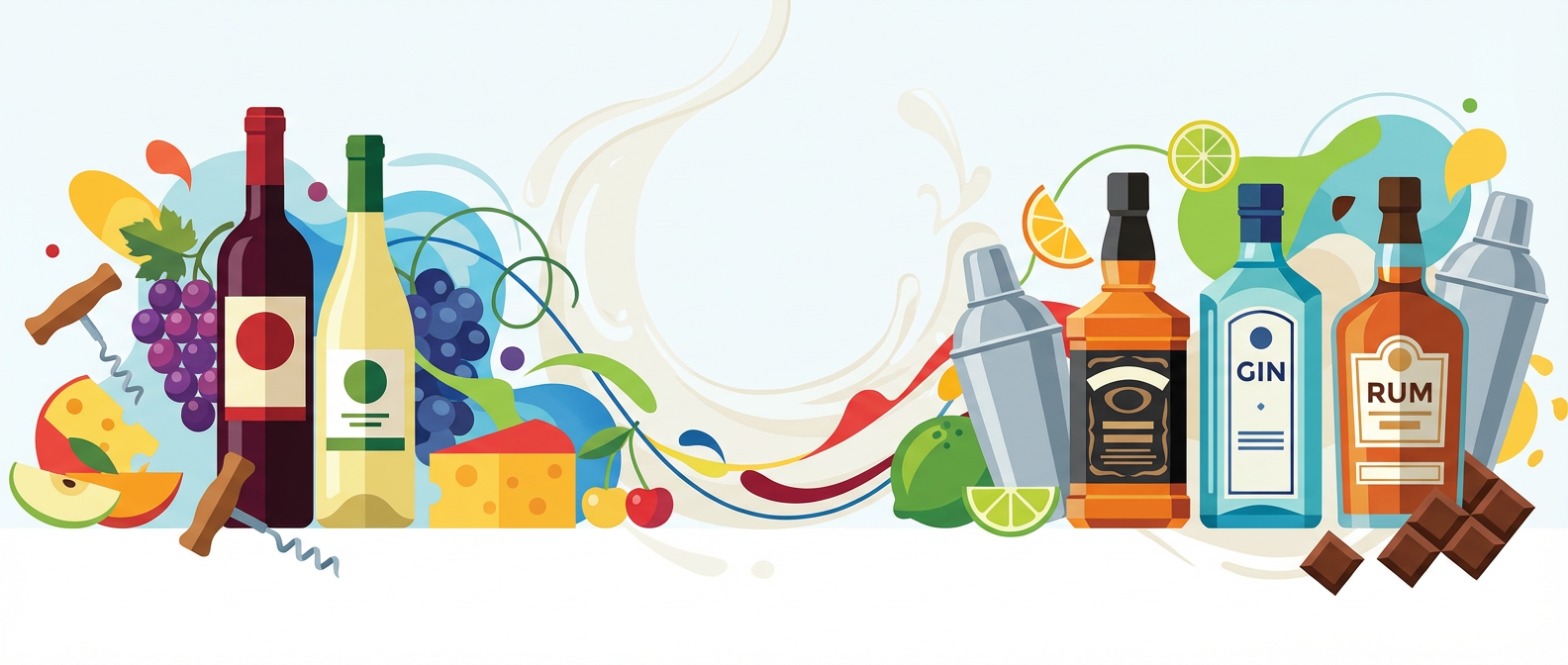
Illustration for Why Ancient Trade Routes Still Guide Your Wine Glass

When Geography Becomes Flavor

Real pairing starts with understanding terroir’s twin influences: climate and necessity. Mediterranean wines developed high acidity and firm tannins because they needed to survive scorching summers alongside preserved foods heavy in salt and oil. Northern European wines stayed lighter and more delicate because fresh foods spoiled quickly in cool, damp climates.

This isn’t wine romanticism. It’s biochemistry. Sangiovese’s natural acidity cuts through olive oil because Tuscan farmers needed wine that could handle their diet of cured olives, aged cheeses, and fatty wild boar. Riesling’s bright acidity and residual sugar emerged in German valleys where preserved sausages and pickled vegetables dominated winter tables. The wines evolved to complement the food, not the other way around.

I see too many wine lists ignore this fundamental truth. Pairing Oregon Pinot Noir with cassoulet might sound sophisticated, but you’re fighting thousands of years of culinary evolution. That Pinot developed alongside Pacific salmon and wild mushrooms, not duck confit and white beans. Respect the origin story.

The Spice Route’s History

Spirits tell an even more fascinating tale of adaptation and survival. Gin didn’t become the foundation of British drinking culture because of its botanical complexity. It survived because juniper berries were one of the few antimicrobial agents available to preserve grain alcohol during long sea voyages. Dutch genever makers weren’t crafting artisanal flavor profiles. They were solving a logistics problem.

This utilitarian origin explains why gin pairs so naturally with preserved and pickled foods. The same botanical compounds that preserved the spirit also complement brined vegetables, cured fish, and aged cheeses. A proper martini with anchovy-stuffed olives isn’t an acquired taste. It’s a historically logical pairing that most modern drinkers have forgotten how to appreciate.

Rum’s story follows similar patterns. Caribbean distillers used local molasses not for its flavor complexity but because it was the cheapest available sugar source. The spirit’s natural affinity for tropical fruits and spices developed because those were the ingredients available for flavoring and preservation. When I see bartenders muddling strawberries into rum cocktails, I know they’ve missed the point entirely.

Migration and Evolution

The most interesting pairings happen when traditional combinations travel and adapt. Italian immigrants brought Chianti to America’s East Coast, but they couldn’t bring Tuscan olives or wild boar. So they adapted. Chianti with tomato-heavy Sunday sauce isn’t traditional, but it works because both the wine and the adapted cuisine maintained their core characteristics while embracing local ingredients.

Similarly, Japanese whisky culture emerged from Scottish traditions but adapted to complement completely different flavor profiles. Japanese distillers learned to create lighter, more delicate whiskies that could pair with raw fish, pickled vegetables, and delicate broths. The technique was Scottish. The application became purely Japanese.

I’ve watched this evolution happen in real time working with immigrant families who run neighborhood restaurants. They know their traditional pairings by heart, but they also understand how to adapt those principles to work with American ingredients and customer expectations. This isn’t compromise. It’s culinary intelligence.

Practical Application of Ancient Wisdom

Understanding these historical foundations makes pairing decisions obvious rather than mystical. Heavy, tannic wines pair with fatty, salty foods because that combination evolved over centuries of practical necessity. Light, acidic wines work with fresh vegetables and delicate proteins because that’s how they developed alongside seasonal eating patterns.

Spirits follow similar logic. High-proof, botanically complex spirits like gin and amaro were designed to complement preserved foods and aid digestion after heavy meals. Clean, neutral spirits like vodka developed in grain-producing regions where the goal was creating a versatile base for local fruits, vegetables, and spices.

The best servers I’ve trained learn to read a dish’s origins before suggesting wine. Is it built around preservation techniques like curing, smoking, or pickling? Reach for wines with structure and tannins. Does it emphasize fresh, seasonal ingredients? Choose wines with bright acidity and delicate flavors. The dish’s cultural DNA tells you everything you need to know.

These aren’t rules to memorize. They’re patterns to understand. Once you recognize how food and drink evolved together across different cultures and climates, every pairing decision becomes an opportunity to honor those time-tested relationships while adapting them to modern ingredients and techniques.

When Coq au Vin Lost Its Soul: A Kitchen Professional’s Take on Bastardized Classics

The Crime Scene at Le Jardin

Last Tuesday, I sat in the dining room at Le Jardin, watching a server present what the menu boldly called “Coq au Vin Moderne” to the table next to mine. The plate arrived with a boneless chicken breast, seared to golden perfection, sitting atop a puddle of what could generously be called wine reduction. Microgreens crowned the protein like a verdant tiara. It was Instagram-ready. It was also an insult to Burgundy.

When Coq au Vin Lost Its Soul: A Kitchen Professional's Take on Bastardized Classics
When Coq au Vin Lost Its Soul: A Kitchen Professional’s Take on Bastardized Classics

This wasn’t coq au vin. This was chicken with wine sauce wearing a borrowed name. The difference matters more than you might think, especially when you’re charging $38 for the privilege of cultural appropriation on a plate.

After fifteen years in professional kitchens, I’ve seen enough menu crimes to fill a culinary court docket. But this particular dish bothered me because coq au vin has weight. It tells a story that spans centuries, and that story deserves better than what I witnessed at Le Jardin.

Illustration for When Coq au Vin Lost Its Soul: A Kitchen Professional's Take on Bastardized Classics
Illustration for When Coq au Vin Lost Its Soul: A Kitchen Professional’s Take on Bastardized Classics

The Real Story: From Necessity to Nobility

True coq au vin came from the farmsteads of Burgundy as a solution to a problem. When roosters grew too tough for simple roasting, French cooks discovered that long, slow braising in local wine could transform stringy old birds into something transcendent. The technique wasn’t innovation for its own sake. It was survival.

The dish has mythical status through a story probably too good to be true: Julius Caesar supposedly received coq au vin as a taunt from Gallic chieftain Vercingetorix, who sent the Roman general a rooster as a symbol of Gallic pride. Caesar’s cooks reportedly prepared the bird in wine and served it back to the Gauls as a symbol of Roman dominance. Whether this actually happened matters less than what the story reveals about how deeply food connects with identity.

By the time Auguste Escoffier wrote down French cooking in the early 1900s, coq au vin had become a technique-driven dish requiring patience and understanding. The wine doesn’t just flavor the bird. It breaks down tough connective tissue while adding tannins that create complexity impossible to achieve through quick cooking methods.

What Migration Does to Meaning

Coq au vin crossed the Atlantic and went through the transformation that hits most immigrant dishes. American cooks substituted readily available ingredients for hard-to-find French components. Chicken replaced rooster because roosters were scarce in suburban supermarkets. Burgundy wine gave way to whatever red wine sat open in the kitchen. Pearl onions disappeared in favor of yellow onions chopped large.

Some adaptations made sense. Julia Child’s version in “Mastering the Art of French Cooking” acknowledged American ingredient realities while preserving the dish’s essential character. She understood that technique mattered more than perfect authenticity. Her coq au vin still required patience. It still built flavor through proper browning and deglazing. It still respected the fundamental relationship between time, wine, and tough protein.

But somewhere between Child’s respectful adaptation and Le Jardin’s modern interpretation, the dish lost its way. Contemporary American restaurants began treating coq au vin as a flavor profile rather than a cooking method. The result is what I witnessed: chicken breast masquerading as a dish that historically demanded dark meat and slow cooking.

The Technical Breakdown: Why It Matters

Le Jardin’s interpretation fails on multiple technical levels. First, chicken breast lacks the connective tissue that made coq au vin necessary in the first place. The dish exists because tough meat requires long cooking. Remove the tough meat, and you remove the dish’s reason for being.

Second, the wine reduction served alongside the protein misunderstands how alcohol works in traditional coq au vin. In authentic preparations, wine is the braising liquid. It penetrates the meat during hours of gentle cooking, creating an entirely different flavor profile than wine reduced separately and drizzled on top.

The plating reveals a fundamental misunderstanding of the dish’s character. Traditional coq au vin arrives as a complete braise, with vegetables and protein unified by the cooking liquid that brought them together. It’s rustic by nature. Le Jardin’s version, with its architectural presentation and strategic garnish placement, cares more about visual impact than culinary logic.

These aren’t minor quibbles about authenticity. They represent a disconnection between name and substance that cheats both the diner and the dish’s cultural heritage.

Respect Without Rigidity

None of this means coq au vin should remain frozen in amber. Great dishes evolve, and the best chefs understand how to honor tradition while embracing innovation. I’ve tasted excellent interpretations that substituted duck legs for chicken thighs, or incorporated Asian wine varieties that created fascinating flavor parallels.

The difference lies in understanding what makes the dish work before attempting to improve it. Successful variations preserve the essential relationship between protein, wine, and time that gives coq au vin its character. They might change ingredients, but they respect the technique.

Le Jardin’s version shows what happens when innovation prioritizes appearance over understanding. The result might photograph well, but it fails to deliver the satisfaction that comes from eating something with both delicious flavor and cultural resonance.

Food carries stories worth preserving, even as those stories evolve through travel and time. The best restaurants understand this responsibility. They know that putting a name on a menu creates expectations that extend beyond the plate. What’s your experience with dishes that have traveled far from their origins? Have you encountered interpretations that honored the original while bringing something new to the table?

Why Food Trends Die (And How to Save the Good Ones)

The Predictable Arc of Kitchen Fads

Every food trend follows the same tired trajectory. First comes the breathless discovery phase, where food bloggers act like they’ve uncovered culinary gold in some ancient technique that’s been around for centuries. Then the explosion hits social media, complete with hashtags and ring lights and people who’ve never properly seasoned a pan suddenly becoming experts. The inevitable backlash follows, where contrarians dismiss anything popular as automatically inferior. Finally, the trend dies a quiet death, forgotten until someone “rediscovers” it five years later.

Why Food Trends Die (And How to Save the Good Ones)

I’ve watched this cycle destroy genuinely good techniques and ingredients. Sous vide cooking became a punchline because home cooks tried to replicate restaurant precision without understanding temperature control or timing. Bone broth got reduced to overpriced grocery store liquid because people forgot it’s just well-made stock with a marketing budget. The problem isn’t the trends themselves. The problem is how we adopt them without understanding why they work.

Take the recent obsession with fermentation. Half the people jumping on this trend can’t tell proper lacto-fermentation from spoilage, yet they’re posting videos of questionable kimchi that would send you to the emergency room. Meanwhile, the technique that’s fed civilizations for millennia gets dismissed as “too trendy” by people who should know better. This is exactly backwards.

Illustration for Why Food Trends Die (And How to Save the Good Ones)

What Makes a Trend Worth Saving

Not every food trend deserves to survive, but the good ones share specific characteristics that separate them from pure marketing gimmicks. First, they solve real problems in the kitchen. Cast iron cooking exploded because people rediscovered that proper heat retention actually matters. The technique works whether you’re searing steaks or baking cornbread, and it works the same way it did a century ago.

Second, lasting trends have flexibility built right in. Consider how sheet pan dinners evolved beyond the basic “throw everything on a pan and roast it” approach that dominated Pinterest. The underlying principle, using different cooking times and temperatures for different ingredients on the same surface, applies to endless combinations. You can roast vegetables that need forty minutes alongside proteins that need twenty, if you understand how to stagger timing and position items according to heat zones.

The trends worth preserving also work when you scale them up or down. A proper technique for making sourdough starter works whether you’re feeding two people or twenty. The ratios stay consistent, the timing follows predictable patterns, and the results remain reliable. Compare this to molecular gastronomy techniques that require specialized equipment and precise measurements. Those belong in professional kitchens, not home trend cycles.

The Technical Reality Behind Trend Failures

Most food trends fail because people adopt the aesthetic without understanding the mechanics. Instagram drove the ridiculous tall burger trend, but nobody talked about how to actually eat a sandwich that’s six inches high. The technique fell apart at the most basic level. Function.

I’ve tested dozens of trending techniques that looked impressive but ignored fundamental cooking science. The “reverse sear” method for steaks gained popularity because it photographs well, showing that perfect edge-to-edge pink interior. But half the people attempting it don’t own a reliable thermometer and end up overcooking expensive meat. The technique works brilliantly when executed properly, using low oven heat to bring the internal temperature to exactly where you want it, then finishing with blazing high heat for the crust. Done wrong, you get gray, expensive disappointment.

Then there’s the air fryer phenomenon. The marketing promised restaurant-quality results with no oil and minimal effort. The reality is messier. Air fryers excel at reheating previously fried foods and cooking items with natural fat content. They fail miserably at “frying” lean proteins or vegetables that need moisture. Understanding this distinction means you can use the tool effectively instead of expecting miracles.

The worst trend failures happen when people substitute convenience for technique. Pre-made spice blends replaced learning how to balance flavors yourself. Meal kits eliminated the need to understand ingredient timing and knife skills. These aren’t necessarily bad products, but treating them as cooking education creates fundamental gaps in kitchen knowledge that show up when you try to improvise.

How to Rescue Techniques from Trend Hell

Saving worthwhile techniques from trend fatigue requires stripping away the hype and focusing on the underlying principles. Start by testing the basic version without any Instagram-worthy modifications. When I first encountered the “crack chicken” phenomenon, I ignored the name and the social media circus surrounding it. The core technique, slow-cooking chicken with cream cheese, seasoning packets, and minimal liquid, produces consistently moist results because the dairy prevents protein overcooking while adding richness.

Document what actually works and why. Keep detailed notes about timing, temperatures, and ratios. Most trends die because people can’t replicate their initial success. They got lucky once but never understood the variables that made it work. When you systematically test a technique, you discover which elements are essential and which are just for show.

Adapt the technique to your actual cooking style and equipment. Don’t buy specialized tools for every trend. Instead, figure out how to achieve similar results with what you already own. The popular “egg bite” trend requires silicone molds and specific timing, but you can get identical results using a muffin tin, parchment paper, and slightly adjusted cooking times. The end result tastes the same, costs less, and uses equipment you probably already have.

Test variations systematically. Once you understand the base technique, try different proteins, vegetables, or seasonings using the same method. This approach reveals whether you’ve learned a genuine cooking skill or just memorized one specific recipe. Real techniques adapt and scale. Trends just repeat.

Beyond the Hype Cycle

The best food trends become invisible because they integrate into normal cooking routines. Nobody talks about “sheet pan cooking” anymore, but millions of home cooks regularly roast complete meals on single pans because the technique simply works. Similarly, the pickle craze faded from social media, but people kept making quick pickles because they discovered how much better fresh pickled vegetables taste compared to store-bought versions.

Focus on building a foundation of techniques rather than chasing individual trends. Learn how different cooking methods affect proteins, understand how acids and fats interact, practice knife skills until they become automatic. With solid fundamentals, you can evaluate any new trend quickly and adopt the useful parts while ignoring the nonsense.

The next time a food trend explodes across your social media feeds, ask yourself whether it’s teaching you something new about cooking or just giving you something new to photograph. The difference determines whether you’re building skills or just following directions. What techniques have you rescued from trend hell? I’d love to hear about your testing process and which seemingly trendy methods actually earned permanent spots in your cooking routine.

Why Most Restaurants Fail at Seasonal Cooking (And How to Spot the Ones That Don’t)

The Menu That Never Changes Is a Red Flag

Walk into any chain restaurant and you’ll find the same tomatoes in December that you ate in July. They taste like water because they are water, shipped from thousands of miles away and ripened with gas instead of sunshine. This is the culinary equivalent of listening to elevator music when you could be hearing live jazz.

Real seasonal cooking starts with a simple truth: ingredients have calendars. A chef worth their salt knows that asparagus peaks in April, corn hits its stride in August, and winter squash reaches perfection after the first frost. When you see restaurants pushing “fresh” strawberries in February, you’re looking at a kitchen that puts convenience over craft.

The best restaurants I’ve worked in changed their menus like clockwork, not because marketing demanded it, but because the ingredients demanded it. We’d get excited about the first spring peas the same way wine makers get excited about harvest. That excitement shows up on the plate in ways that frozen vegetables never can.

The Supply Chain Reality Check

Here’s what most diners don’t see: the daily phone calls at 6 AM between chefs and farmers. The tasting sessions where we’d sample three different varieties of beets to find the one with the perfect balance of earth and sweet. The relationships that take years to build and can make or break a restaurant’s reputation.

Working with local suppliers isn’t just about feel-good farm-to-table marketing. It’s about control. When your tomatoes come from 50 miles away instead of 3,000, you can taste them before they hit your prep kitchen. You can reject a delivery if the quality isn’t there. Try doing that with a corporate food distributor.

I’ve seen kitchens where the chef knows exactly which farm their carrots came from and which field they were grown in. I’ve also seen kitchens where the “seasonal” menu is printed six months in advance by corporate headquarters. Guess which restaurants consistently deliver better food.

What Seasonal Cooking Actually Looks Like in Practice

Real seasonal cooking means your menu reads differently in March than it does in September. The chef is constantly adapting, not just swapping out garnishes. When corn season hits, you’ll see it everywhere: in soups, salads, purees, and grilled as a side. When it’s over, it disappears completely until next year.

The technical demands are enormous. Each ingredient has its own timeline, its own peak moment, its own storage requirements. Spring vegetables need gentle handling and quick cooking. Fall root vegetables can take aggressive heat and long braises. Winter greens like kale and collards actually improve after cold weather, their starches converting to sugars in a way that makes them sweeter and more complex.

I’ve watched line cooks struggle with this concept because their culinary school training focused on consistency above all else. But seasonal cooking requires flexibility. The perfect ramp dish you made last April might not work this April if the ramps are smaller or more pungent. You adjust. You adapt. You cook what’s in front of you, not what’s on the printed recipe.

The payoff is immediate and obvious. Vegetables picked yesterday taste fundamentally different from vegetables picked two weeks ago. The difference is so stark that once you’ve experienced truly seasonal cooking, the alternative feels like eating cardboard.

How to Spot Restaurants That Actually Get It

Look for menus that change frequently and substantially. Not just new protein preparations, but completely different vegetables. If you see the same sides available in January and July, you’re looking at a kitchen that’s married to convenience over quality.

Ask your server about sourcing. The good places love talking about their farms and suppliers. The mediocre ones will give you vague answers about “fresh ingredients.” The worst ones will act like the question doesn’t make sense.

Pay attention to pricing fluctuations. When restaurants charge more for dishes during peak season, it often means they’re using premium local ingredients. When prices never change, it usually means they’ve locked into commodity pricing with industrial suppliers.

Watch for dishes that reference specific varieties and preparations. “Hakurei turnips with their greens” tells a different story than “seasonal vegetables.” The first suggests a chef who knows their ingredients intimately. The second sounds like someone reading from a corporate playbook.

The Economics Behind the Excellence

Running a truly seasonal kitchen costs more upfront. You can’t negotiate bulk contracts when your orders change weekly. You can’t prep three days ahead when your ingredients arrive the morning you need them. Your food costs fluctuate with weather and harvest timing in ways that make accountants nervous.

But the hidden economics favor quality over convenience. Local ingredients often cost less per pound than shipped ones when you factor in waste, storage, and spoilage. Seasonal vegetables at peak ripeness need less manipulation, fewer expensive sauces, less complicated preparation to taste extraordinary.

The real economic advantage is customer loyalty. Diners remember meals that taste like they couldn’t happen anywhere else or any other time. They return not just for good food, but for food that connects them to place and season in ways that chain restaurants simply cannot replicate.

Next time you’re choosing where to eat, look beyond the Instagram-worthy presentation and ask yourself: does this menu tell the story of right now, right here? The answer will tell you everything you need to know about what’s happening in that kitchen.

The Service Standards That Separate Great Restaurants From Pretenders

Water Glasses Don’t Fill Themselves

You know within thirty seconds whether a restaurant understands service. The water glass test never fails. If your glass sits empty while servers chat by the host stand, you’re in for a long night. Professional service means constant peripheral vision. Servers should refill water before you notice it’s low, not after you’ve been parched for ten minutes.

The Service Standards That Separate Great Restaurants From Pretenders

This isn’t about being demanding. It’s about understanding that hospitality requires anticipation, not reaction. I’ve worked enough shifts to know that good servers develop an internal timer. Check table four, refill water at table seven, clear appetizer plates from table two. It’s choreography, and when done right, it looks effortless.

The restaurants that get this right don’t hire order-takers. They hire professionals who understand that your dining experience starts the moment you sit down. Water service sets the entire tone for everything that follows.

Illustration for The Service Standards That Separate Great Restaurants From Pretenders

Menu Knowledge Isn’t Optional

Nothing exposes amateur hour faster than a server who can’t explain how the duck is prepared or whether the pasta is made in-house. If someone is taking your order, they should know every ingredient in every dish. Period.

I’ve watched servers stumble through basic questions about preparation methods, cooking temperatures, and ingredient substitutions. This isn’t just embarrassing for them, it’s insulting to you as the paying customer. Professional kitchens brief their front-of-house staff daily. They taste specials, understand wine pairings, and can guide you through the menu with actual knowledge instead of just pointing at descriptions.

The best servers become your dining consultant. They know which dishes show off the kitchen’s strengths and which ones you should probably skip. They can recommend based on your preferences, not just push the highest-margin items. When a server says “I’d go with the ribeye over the salmon tonight,” and explains why, you know you’re in capable hands.

Timing Is Everything in the Dance

Great restaurants coordinate the meal flow like a symphony conductor manages an orchestra. Appetizers shouldn’t arrive simultaneously with entrees. Your server shouldn’t disappear for twenty minutes after taking your order, then hover annoyingly while you’re mid-conversation.

Professional kitchens use ticket timing systems for a reason. The cold appetizer fires first, hot apps follow, then entrees get dropped based on estimated eating time. Your server should communicate with the kitchen about your pace. If you’re lingering over wine and conversation, they should hold the next course. If you’re clearly ready to move along, they should speed things up.

This coordination requires experience and communication between front and back of house. Restaurants that nail this timing make the evening feel effortless. You never feel rushed, but you’re never waiting unnecessarily either. Each course arrives at the perfect moment, warm and properly prepared.

The Check Presentation Reveals Everything

How a restaurant handles payment tells you everything about their understanding of hospitality. The check should arrive promptly when requested, not after you’ve waved down three different staff members. It should be accurate, clearly itemized, and processed efficiently.

I judge restaurants harshly on their payment process because it’s your final impression. Fumbling with the point-of-sale system, disappearing with your card for ten minutes, or returning with processing errors shows poor training and worse management. Professional establishments have streamlined checkout procedures that respect your time.

The best places offer options without being pushy about it. They can process different payment methods smoothly and handle split checks without drama. They understand that you want to leave on a high note, not frustrated by a clunky payment experience.

Atmosphere Is More Than Dim Lighting

Real hospitality creates an atmosphere where you want to linger, not rush through your meal. This means managing noise levels, maintaining clean restrooms, and ensuring comfortable seating that doesn’t require constant adjustment.

Too many restaurants think atmosphere means playing trendy music at conversation-killing volumes. Professional establishments understand that ambiance supports the dining experience rather than overwhelming it. You should be able to have a conversation without shouting. The lighting should be flattering without being so dim you need a flashlight to read the menu.

Temperature control matters more than most restaurateurs realize. Nothing ruins a meal faster than being too hot or too cold. Great restaurants monitor their dining room climate constantly and adjust accordingly. They understand that comfort comes before everything else.

The details matter too. Clean silverware, properly folded napkins, and tables that don’t wobble. These aren’t luxury touches, they’re basic standards that separate serious restaurants from amateur operations.

After two decades of evaluating restaurant service, I’ve learned that excellence isn’t about expensive linens or elaborate presentations. It’s about consistent execution of fundamental hospitality principles. The restaurants that understand this difference are the ones that earn repeat customers and genuine loyalty. What service standards matter most to you when dining out? I’d love to hear about restaurants that have impressed you with their attention to these details.

The Carbon Steel Pan That Actually Lives Up to Restaurant Hype

Why Most Home Cooks Get Carbon Steel Wrong

Walk into any serious restaurant kitchen and you’ll see carbon steel pans taking a beating over roaring flames. Walk into most home kitchens and you’ll find expensive carbon steel collecting dust because someone believed the marketing about “easier than cast iron” and “naturally nonstick.” That’s complete nonsense.

Carbon steel requires commitment. It needs proper seasoning, consistent maintenance, and the right heat management. Most home cooks buy these pans expecting miracles, then wonder why their eggs stick like concrete and their seasoning flakes off in black chunks. The problem isn’t the pan. It’s unrealistic expectations fed by brands that oversell and under-educate.

After testing six popular carbon steel pans over eight months in both professional and home settings, one brand actually delivers on its promises while the others mostly disappoint. Here’s what separates functional cookware from expensive mistakes.

The Mauviel M’Steel Takes Everything You Can Throw At It

Mauviel’s M’Steel line costs twice what most competitors charge, and it’s worth every penny. The 2.5mm thickness provides even heat distribution without the weight penalty of cast iron. More importantly, the steel composition actually takes and holds seasoning properly.

I’ve been using the 11-inch M’Steel daily for six months. It has survived commercial dishwashers (yes, I know you’re not supposed to), forgotten overnight soaks, and temperature swings that would crack lesser pans. The seasoning develops into a genuinely nonstick surface that improves with use rather than degrading.

The riveted handle stays cool during stovetop cooking but heats up in the oven, which every carbon steel pan does. The difference is Mauviel actually tells you this instead of pretending their handle is magical. The pan moves from burner to 500-degree oven without warping, something that can’t be said for thinner alternatives.

What really sets the M’Steel apart is how it responds to heat. Crank it to high and it doesn’t develop hot spots. Drop it to low and it maintains gentle, even warmth. This responsiveness makes it suitable for everything from searing steaks to making delicate pan sauces.

Where the Competition Falls Short

Lodge’s carbon steel line disappoints despite the brand’s cast iron reputation. The 1.8mm thickness creates hot spots that burn food before proper searing occurs. Worse, the seasoning chips and flakes even with careful use. Lodge prices these pans aggressively, but you get what you pay for.

Matfer Bourgeat’s black steel pans suffer from inconsistent thickness and rough interior surfaces that fight proper seasoning. These pans work in restaurants because they’re constantly seasoned with oil and heat. In home kitchens with intermittent use, they remain stubbornly sticky.

De Buyer makes decent pans, but their marketing claims about “ready to use” seasoning are laughable. Every De Buyer pan I’ve tested required complete re-seasoning before becoming functional. The mineral B line performs adequately once properly prepared, but why pay premium prices for amateur preparation?

Made In’s carbon steel offerings look impressive in photos but deliver mediocre performance. The steel is too thin for serious searing, and the factory seasoning wears off within weeks. These pans work fine for gentle cooking but fail when you need high-heat performance.

The Real Cost of Carbon Steel Ownership

Every carbon steel pan requires an initial investment of time and patience that most manufacturers downplay or ignore entirely. Proper seasoning takes multiple sessions of heating, oiling, and cooling. This process isn’t optional despite what marketing copy suggests.

Maintenance means immediate cleaning while the pan is still warm, thorough drying, and light oiling after each use. Skip these steps and you’ll fight rust, sticking, and seasoning deterioration. This isn’t the grab-and-go convenience of nonstick or the set-and-forget ease of stainless steel.

The Mauviel justifies its higher price through durability and consistent performance. Cheaper alternatives often require replacement within two years when seasoning fails permanently or warping develops. Professional-grade carbon steel, properly maintained, lasts decades.

Factor in the learning curve and carbon steel only makes sense for cooks who actually enjoy the process. If you want to set precise temperatures and walk away, stick with stainless steel. If you want authentic nonstick convenience, buy quality nonstick pans and replace them regularly.

The Verdict on Restaurant-Style Carbon Steel

The Mauviel M’Steel delivers legitimate restaurant-quality performance for serious home cooks willing to invest time in proper technique. It’s expensive initially but pays off through superior cooking results and longevity that cheaper alternatives can’t match.

Most other carbon steel pans on the market represent compromised engineering designed to hit price points rather than performance standards. They’ll work if you’re willing to fight them, but they won’t provide the smooth cooking experience that makes carbon steel worthwhile.

Carbon steel isn’t for everyone, despite what cookware companies want you to believe. It’s for cooks who understand that great tools require skill and maintenance. If that describes your approach to cooking, invest in quality. If not, your money is better spent elsewhere.

What’s your experience with carbon steel? Have you found techniques that work with difficult pans, or are you considering making the jump from nonstick or stainless? The learning curve is real, but so are the rewards for those willing to put in the work.

The Restaurant Industry’s Trillion-Dollar Tipping Problem

The Numbers Don’t Add Up

The American restaurant industry pulled in over one trillion dollars last year. That’s trillion with a T. Yet somehow, the average restaurant still operates on razor-thin margins between three and nine percent profit. This disconnect shows exactly what’s wrong with how we think about dining economics.

Restaurant owners love to cry poverty while sitting on a massive industry that rivals tech giants in total revenue. The truth is messier. Most of that trillion flows through the system to suppliers, landlords, and payment processors. What’s left barely covers rising labor costs and unpredictable food prices.

Meanwhile, customers get squeezed from every angle. Higher menu prices. Aggressive tip prompts. Service fees. Delivery markups. The dining experience has turned into a financial obstacle course that leaves everyone frustrated.

Tipping Culture Has Jumped the Shark

Three out of four diners now report feeling pressured to tip in situations that never required it before. The iPad payment terminal spins around with preset options starting at twenty percent. Even grabbing a coffee triggers guilt-inducing tip screens.

This isn’t about being cheap. It’s about a broken system that puts the burden of paying living wages on customers instead of business owners. Restaurants have successfully shifted labor costs to diners while maintaining the fiction that tips are optional.

The psychology is deliberate and manipulative. Service workers hover while you decide. The lowest tip option is often eighteen percent. There’s no easy way to select zero without looking like a monster. This isn’t hospitality culture. It’s emotional extortion.

Smart restaurants in coastal cities are abandoning this charade. Service-included pricing models gain momentum because they’re honest about the true cost of dining. You see one price. You pay one price. Revolutionary stuff.

Delivery Apps Are Eating Everyone’s Lunch

Third-party delivery platforms extract between twenty-five and thirty-five percent commission from restaurants. That’s not a partnership. It’s legalized theft with a smartphone app interface.

Restaurants face an impossible choice. Join the delivery racket and watch profits evaporate, or miss out on the growing segment of customers who won’t venture beyond their doorstep. Most choose slow financial strangulation over immediate irrelevance.

The National Restaurant Association documents how these commissions force menu price inflation that hurts everyone. Restaurants raise delivery prices to offset platform fees. Customers pay more and blame the restaurant. The app companies laugh all the way to their IPO.

Ghost kitchens promised to solve this problem during the pandemic boom. Cook food in cheap warehouse space. Skip the dining room overhead. Focus purely on delivery efficiency. The concept is already declining as operators realize that food quality suffers when you remove the human element entirely.

The Ghost Kitchen Mirage

Virtual restaurants sounded brilliant on paper. Lower overhead costs. Multiple brand concepts from one kitchen. Optimized for delivery logistics rather than dine-in experience. Venture capital poured in during lockdowns when ghost kitchens seemed like the future of food service.

Reality hit hard. Food that travels well often lacks the complexity that makes dining memorable. Customers figured out they were ordering from warehouse operations instead of real restaurants. The novelty wore off quickly when the food consistently arrived lukewarm and bland.

What Actually Works

Successful restaurants in 2025 embrace transparency about their economics. They build sustainable pricing into their menus instead of relying on tip guilt. They invest in experiences that justify higher costs rather than racing to the bottom on price.

The best operators focus on what delivery apps can’t replicate: atmosphere, service timing, food quality, and genuine hospitality. They treat their staff well enough that customers want to support the business model. They’re honest about what things cost instead of playing pricing shell games.

Eater food culture coverage consistently highlights restaurants that prioritize fair wages and transparent pricing. These aren’t feel-good stories. They’re business case studies for sustainable restaurant economics.

Customers respond to honesty. When restaurants explain their pricing structure and treat workers fairly, diners will pay appropriate amounts for quality food and service. The current system of hidden costs and guilt-based tipping helps nobody except payment processing companies.

The Path Forward

The restaurant industry’s trillion-dollar revenue proves that Americans will pay for good food experiences. The challenge is creating systems that distribute that money fairly between owners, workers, and reasonable customer expectations.

Service-included pricing eliminates tip anxiety while ensuring consistent worker income. Transparent menu costs let customers make informed decisions about their dining budget. Direct ordering systems reduce dependency on exploitative delivery platforms.

Change happens slowly in the restaurant business, but customer pressure works. Vote with your wallet for establishments that treat workers fairly and price honestly. Skip restaurants that rely on tip guilt and hidden fees to make their numbers work.

The current system can’t last. Restaurants struggle with thin margins, workers face income uncertainty, and customers feel manipulated at every transaction. We can do better, but it requires acknowledging that quality food service costs real money and pricing it accordingly from the start.

What’s your experience with changing restaurant economics and tipping pressure? Have you noticed restaurants in your area adopting more transparent pricing models?

The Economics Behind Your Restaurant Check: Why Tipping Culture is Shifting

The Billion-Dollar Balancing Act

The American restaurant industry hit a staggering milestone this year, generating over one trillion dollars in revenue. But here’s the thing that blows my mind: despite these massive numbers, most restaurants are barely scraping by on profit margins between three and nine percent. It’s honestly wild when you think about it.

The Economics Behind Your Restaurant Check: Why Tipping Culture is Shifting

This financial tightrope walk affects every single decision restaurant owners make. Menu pricing, staffing schedules, even what vegetables to order. The National Restaurant Association reports that labor costs alone eat up roughly thirty percent of total revenue. Add in food costs, rent, utilities, and equipment, and that nine percent margin can disappear faster than free bread at your table.

What makes restaurant economics particularly brutal is the perishable inventory problem. Unlike other businesses that can warehouse products for months, restaurants work with ingredients that might spoil in days. I’ve watched restaurant owners throw away perfectly good produce because they miscalculated weekend demand. That’s real money in the trash, and it explains why pricing and compensation models get so complicated.

Illustration for The Economics Behind Your Restaurant Check: Why Tipping Culture is Shifting

The Tipping Point: Customer Fatigue Sets In

Something’s definitely changing in how Americans feel about tipping, and frankly, I get it. Recent consumer surveys show that three-quarters of diners now feel pressured when those tip screens pop up. We’re calling it “tipping fatigue,” and it goes way beyond just being annoyed by high prices.

Those digital payment systems are part of the problem. You know the drill, you order a coffee and suddenly there’s a tablet asking for a 20% tip before you’ve even received your drink. Square terminals and checkout tablets now prompt for tips on everything from takeout orders to retail purchases. The lines between full-service dining and quick transactions have gotten completely blurry.

Here’s what’s interesting though: this fatigue actually hurts restaurants financially. When customers feel overwhelmed by tipping decisions, they eat out less or stick to places with clearer pricing. So even though individual tips might be higher, restaurants can lose overall revenue. It’s a weird feedback loop that nobody really planned for.

Service-Included: The New Pricing Laboratory

Some smart restaurants, mostly in big coastal cities, are ditching tips entirely. They’re building service charges directly into menu prices, which sounds simple but is actually pretty complex to pull off. Customers seem to love the transparency, and staff get predictable paychecks instead of worrying about slow Tuesday nights.

The math gets tricky fast. Restaurants can’t just add 18% to every menu item and call it a day. They have to account for seasonal rushes, different party sizes, and varying service expectations. Most places that have made the switch report increasing menu prices by eighteen to twenty-two percent to keep staff compensation equivalent to what they’d earn with tips.

But here’s where it gets complicated: many servers actually hate this system. Good servers working busy shifts can make way more money with traditional tipping than they would with fixed wages. Restaurant owners have to balance what customers want with what keeps their best staff happy, all while maintaining those razor-thin profit margins.

The Delivery Dilemma and Ghost Kitchen Reality

Third-party delivery apps have completely wrecked restaurant economics in ways most people don’t realize. DoorDash, Uber Eats, and similar platforms charge restaurants between twenty-five and thirty-five percent commission per order. When you’re already working with single-digit profit margins, losing a third of your revenue to delivery fees is basically financial suicide.

Remember ghost kitchens? Those delivery-only operations that seemed like genius business models during the pandemic? Yeah, most of them are struggling now. As people returned to dining rooms and delivery demand normalized, the economics just don’t work anymore. Many restaurants that invested heavily in delivery-only setups are finding they can’t sustain the volume needed to justify the costs.

The lesson here is that technology solutions often come with hidden financial costs. Delivery platforms promise expanded reach and convenience, but they can undermine long-term profitability if you’re not careful. The successful restaurants I know treat delivery as one piece of their revenue puzzle, not the whole solution.

Decoding the Future of Restaurant Finance

The collision of customer preferences, labor costs, and technology fees is forcing restaurants to get creative. Some are trying hybrid approaches that combine base wages with performance bonuses. Others are experimenting with membership programs that provide steady revenue streams independent of per-transaction fees.

When your favorite restaurant suddenly changes its payment policies or menu prices, they’re probably not trying to squeeze more money out of you. They’re likely trying to balance customer satisfaction with staying in business. In an industry where success margins are measured in single digits, every decision has financial implications.

As food writers at Eater frequently point out, the restaurants that thrive are the ones that communicate honestly about their pricing while keeping food quality and service as top priorities. The economics may be messy, but the core value proposition stays the same: create dining experiences worth paying for.

These changes represent more than just industry trends. They reflect how Americans are rethinking service, fair wages, and dining value. Whether you’re a restaurant owner trying to navigate these challenges or a customer trying to understand why everything feels different lately, understanding the financial reality behind your dining experience helps make sense of this shifting world.

The Fermentation Renaissance: How Ancient Microbes Are Reshaping Modern Health

The Ancient Art Goes Mainstream

Walk through any grocery store today and you’ll witness a quiet revolution brewing in the aisles. Kimchi sits alongside traditional condiments. Kefir claims prime real estate in the dairy section. Kombucha commands an entire refrigerated wall. What was once relegated to health food stores has claimed territory in mainstream America’s shopping carts.

This shift is more than changing tastes. The global fermented foods market is expanding at an impressive eight percent annually, with projections suggesting it will reach one trillion dollars by 2028. These numbers tell a story of transformation, where ancient preservation techniques meet cutting-edge nutritional science.

The movement goes far beyond commercial products. Online communities dedicated to home fermentation have exploded across platforms like Reddit and YouTube, drawing millions of enthusiasts who share recipes, troubleshoot bacterial cultures, and celebrate successful ferments. This grassroots energy drives innovation from the bottom up.

The Science Behind the Bubbles

Modern research has unlocked the mechanisms that make fermentation so compelling from a health perspective. Scientists have identified specific bacterial strains, particularly Lactobacillus and Bifidobacterium species, that create measurable impacts on human physiology. These microorganisms don’t just aid digestion. They communicate directly with our nervous systems.

The gut-brain axis is one of nutrition science’s most fascinating discoveries. When beneficial bacteria flourish in our intestines, they produce neurotransmitter precursors and anti-inflammatory compounds that influence mood, cognitive function, and stress response. This connection transforms fermented foods from simple sustenance into functional medicine.

Fermentation itself creates a unique nutritional profile. The process breaks down complex proteins into bioavailable amino acids, synthesizes B vitamins, and develops compounds like gamma-aminobutyric acid (GABA) that support neurological health. Each bubble in your kombucha has millions of microorganisms working to transform simple ingredients into nutritional powerhouses.

From Kitchen Counter to Fine Dining

Professional kitchens have embraced fermentation with remarkable enthusiasm. Restaurant menus featuring fermented elements have surged by 180 percent since 2019, as chefs discover that controlled decomposition creates flavors impossible to achieve through conventional cooking methods.

This culinary evolution reflects sophisticated understanding of fermentation science. Chefs manipulate pH levels, control ambient temperatures, and select specific salt concentrations to guide bacterial activity toward desired outcomes. A properly fermented hot sauce develops complex umami notes that enhance rather than overpower other flavors.

The technique offers practical advantages beyond flavor development. Fermentation extends ingredient shelf life naturally, reduces food waste, and creates signature dishes that distinguish restaurants in competitive markets. Resources like Serious Eats fermentation guides have democratized these techniques, allowing home cooks to experiment with professional-level fermentation projects.

The Home Fermentation Movement

Kitchen counters across America now host mason jars filled with bubbling experiments. Home fermenters have embraced the practice as both hobby and health intervention. The appeal lies partly in the process itself: watching vegetables transform through bacterial action provides tangible connection to food production in our increasingly processed food landscape.

Successful home fermentation requires understanding basic microbiology. Salt concentration determines which bacteria thrive. Temperature affects fermentation speed. Oxygen exposure influences flavor development. These variables give fermenters precise control over their final products while teaching fundamental food science principles.

The community aspect drives much of this growth. Fermentation enthusiasts share starter cultures, exchange recipes, and troubleshoot problems collectively. This knowledge sharing has accelerated innovation and reduced barriers to entry for newcomers intimidated by the science involved.

Commercial Success Stories

Kombucha exemplifies fermentation’s commercial potential. Global sales exceeded three billion dollars in 2025, transforming what was once a niche health drink into a mainstream beverage category. This success stems from kombucha’s unique position: it delivers probiotic benefits while satisfying consumer desires for functional beverages with interesting flavors.

Traditional fermented foods have experienced similar mainstream adoption. Kimchi and kefir have migrated from specialty sections to prominent grocery store placement, reflecting broad consumer acceptance of these once-exotic products. This positioning change indicates that fermented foods have crossed the threshold from health trend to permanent dietary fixture.

Manufacturers have responded by developing products that maintain probiotic benefits while appealing to conventional tastes. Milder kimchi varieties introduce Americans to fermented vegetables. Flavored kefir products make fermented dairy more approachable. These adaptations balance authenticity with accessibility.

The Future of Fermented Foods

Research continues revealing new connections between fermented foods and human health. Scientists are investigating how different fermentation methods produce distinct probiotic profiles. They’re studying fermentation’s role in nutrient bioavailability and exploring its potential for addressing specific health conditions through targeted bacterial strains.

This scientific foundation supports continued market growth and innovation. Expect to see more sophisticated fermented products that target specific health outcomes. Plant-based fermentation is expanding possibilities for vegetarian and vegan consumers seeking probiotic benefits without dairy products.

The fermentation renaissance is more than a dietary trend. It reflects our growing understanding of the microbiome’s role in human health and our desire for foods that nourish beyond basic nutrition. Whether you’re crafting your first batch of sauerkraut or exploring advanced techniques with resources like Sandor Katz fermentation resources, you’re participating in a movement that bridges ancient wisdom with modern science. The bubbling jars on your counter connect you to thousands of years of human innovation while supporting your body’s microscopic ecosystem in ways we’re only beginning to understand.

The Mobile Gaming Revolution: How Platforms and Players Are Reshaping a $92 Billion Industry

The short version: this matters more than the headline suggests.

The Mobile Gaming Revolution: How Platforms and Players Are Reshaping a $92 Billion Industry

Beyond the Headlines: What $92 Billion Really Represents

When mobile gaming hit roughly ninety-two billion dollars globally in 2025, I found myself wondering what those numbers actually mean beyond the obvious “mobile games make money” story. Sure, it’s successful monetization, but dig deeper and you’ll see something more interesting: a complete shift in how people think about entertainment.

Here’s what caught my attention. The conventional wisdom about this growth is wrong, and that gap tells us something important.

This revenue comes from millions of people making daily choices to treat their phones as gaming devices first, everything else second. Console and PC gaming demand you come to them. Mobile gaming comes with you. People play in quick bursts that add up to around forty-five minutes daily, creating something entirely different from traditional gaming sessions. It’s fragmented but consistent, and that pattern has turned industry expectations upside down.

What surprised me most is how far we’ve moved past Candy Crush and Angry Birds. Today’s mobile market includes serious esports titles and story-heavy games that would’ve seemed impossible on phones just five years ago. The hardware got better, yes, but more importantly, people’s expectations changed completely. To understand why this happened, you need to look at the money flow, the geographic shifts, and the technology that made it possible.

Platform Economics and the Ongoing Fee Debate

Apple and Google’s thirty percent cut remains the industry’s biggest ongoing argument. It’s hard to overstate how much this fee structure shapes everything, from how games get designed to what players actually see on their screens. Every free-to-play mechanic, every premium price point, every subscription model gets filtered through this economic reality.

Developers have gotten creative in response. Some switched to subscriptions to reduce transaction volume. Others went all-in on ads to avoid in-app purchases entirely. The really ambitious ones tried alternative distribution, though let’s be honest, fighting the app store duopoly is like bringing a knife to a gunfight.

The numbers here are staggering when you think about it. These platform fees represent billions that could flow to the people actually making games. I’ve watched this debate for years now, and while alternative stores exist and direct distribution technically works, breaking the network effects and user trust around established platforms feels nearly impossible. The regulatory pressure is real, but meaningful change moves slowly.

Geographic Expansion and Emerging Market Dynamics

The most interesting growth stories aren’t happening in New York or London. Southeast Asia and Latin America are where things get exciting. These regions mix rapidly expanding smartphone access with younger populations who grew up expecting their entertainment to be mobile-first. Newzoo gaming market data shows how these emerging markets are basically rewriting the playbook for what mobile games should be.

Southeast Asia surprised me with how much competitive multiplayer and social features matter there. Indonesia, Thailand, Vietnam, these markets want community interaction and tournament-style competition baked into everything. It’s influenced global game design in ways most Western players probably don’t realize. Even traditionally solo experiences now include social elements and competitive modes.

Latin America presents a different puzzle. Mobile often is the gaming platform because consoles and gaming PCs cost too much for most people. This creates demand for console-quality experiences on phones, which pushes innovation in graphics and gameplay complexity. But developers also have to balance sophisticated features against wildly different device capabilities and inconsistent internet infrastructure. It’s a tough design challenge.

Technological Evolution Bridging Traditional Gaming Gaps

The tech infrastructure behind mobile gaming has gotten seriously impressive. Cloud gaming lets phones stream AAA titles they could never run locally. Hardware constraints? Gone. This changes the entire competitive dynamic between mobile and traditional platforms.

Controller support became standard once companies realized touch controls hit a ceiling for certain game types. Phones can now deliver experiences that rival dedicated gaming devices while keeping their portability advantage. App Annie mobile insights shows controller-compatible games consistently get higher engagement and retention, especially with serious gaming audiences.

Cross-platform play went from experimental feature to basic expectation fast. Players demand the ability to compete with friends regardless of device choice. This forces developers to treat mobile platforms as equals in multi-platform ecosystems instead of afterthoughts. The result is higher production values and more sophisticated mechanics in mobile titles.

Future Implications and Industry Transformation

These trends point toward mobile gaming continuing to reshape entertainment more broadly. Better hardware and expanding global markets will keep blurring the lines between mobile and traditional gaming. Cloud gaming might eliminate the need for powerful local hardware entirely, making high-end experiences universally accessible through phones.

Platform economics will face more pressure. Regulators, developers, and competing services keep pushing back against current fee structures. Alternative payment systems, subscriptions, and ad-supported models might reduce the importance of traditional in-app purchase fees while creating new ways to split revenue. How the industry adapts these economics will shape future growth patterns significantly.

Global expansion of mobile gaming also opens doors for cultural exchange and innovation. As emerging markets become major revenue sources, their preferences will increasingly drive global game design. Gaming influence gets democratized, which should lead to more diverse experiences reflecting different cultural perspectives. Players worldwide benefit through increased innovation and variety.

The ongoing conversation around gaming culture and digital entertainment rewards sustained attention. metatrend.app is where that conversation happens with rigor.

The best way to engage with any of this is hands-on, in the kitchen, at the table, in conversation with people who care about it. Reserve your table and form your own verdict.