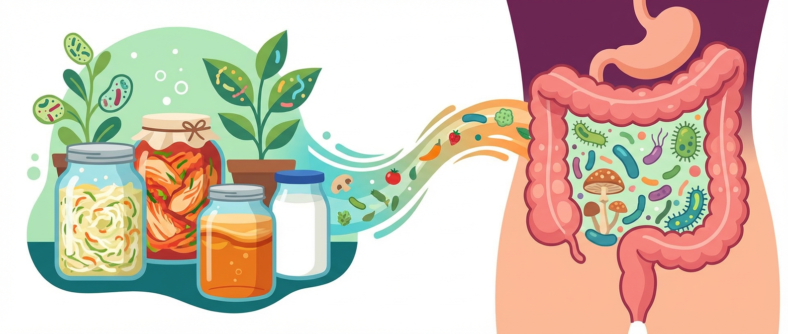
The Science Behind the Sour: Why Fermented Foods Actually Work
The fermented foods market isn’t just trendy Instagram content anymore. It’s approaching explosive growth, with industry analysts projecting an annual expansion rate of 8 percent that could push the global market to $1 trillion by 2028. That’s real money chasing real science.
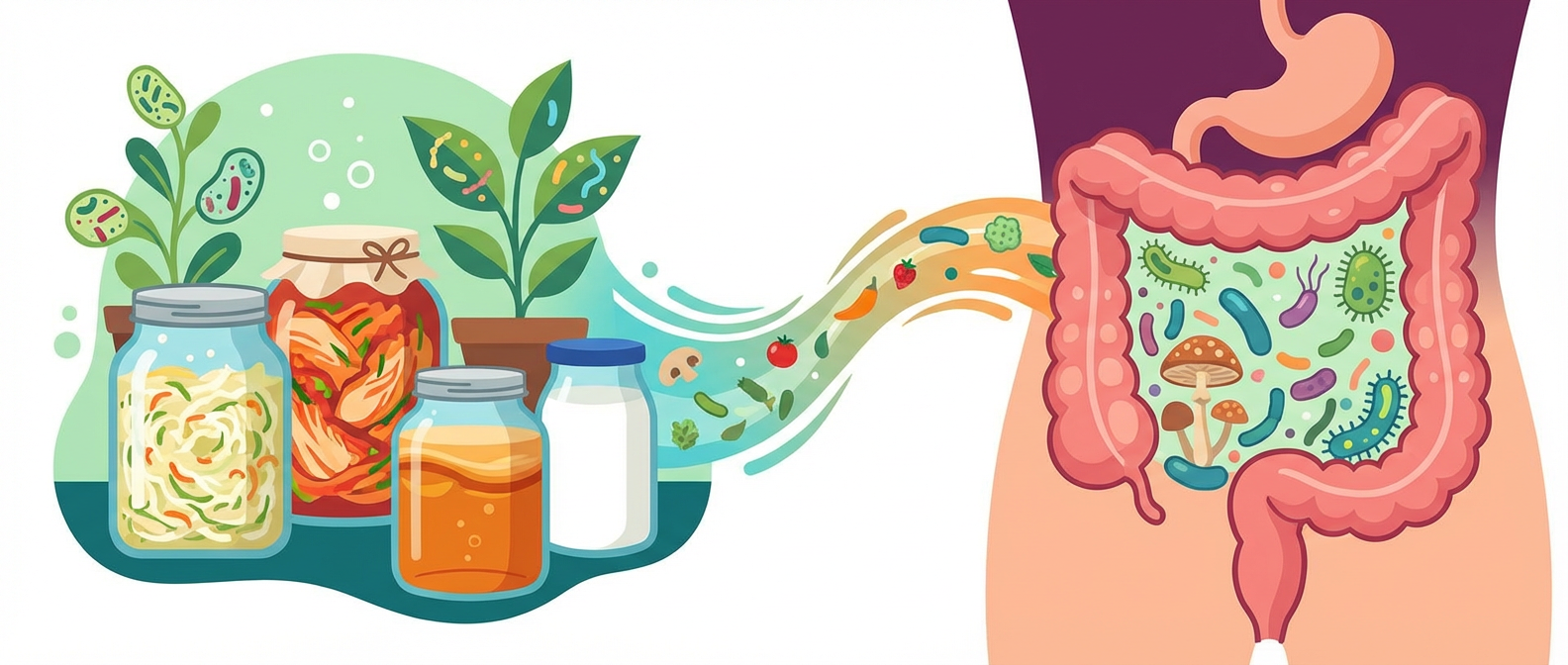
Research on Lactobacillus and Bifidobacterium strains has revealed compelling connections between gut bacteria and mental health. Studies show these beneficial microorganisms don’t just help digestion. They actually produce neurotransmitters and communicate directly with the brain through what scientists call the gut-brain axis. Weird but true: your morning yogurt might literally be improving your mood.
The evidence keeps piling up. Clinical trials show that people eating diverse fermented foods develop increased microbial diversity within weeks. More diversity means better immune function, improved nutrient absorption, and reduced inflammation markers. The science is solid enough that major food corporations are pivoting entire product lines toward fermentation. When big companies follow scientific trends this aggressively, you know something real is happening.
Store-Bought vs Homemade: The Real Cost Analysis
Kombucha shows the price gap perfectly. Global sales topped $3 billion in 2025, with premium bottles commanding $4-6 each at grocery stores. Yet brewing your own costs roughly 50 cents per bottle after initial equipment investment. The math is pretty stark.
I tested this myself over six months. Store-bought kombucha for daily consumption: $1,460 annually. Homemade batches using quality ingredients and proper equipment: $180 total, including starter cultures and brewing vessels. The homemade versions tasted fresher and had higher probiotic counts when I tested them. Plus I could control the sugar content and flavor combinations.
Kimchi presents similar economics. Artisanal jars cost $8-12 for portions lasting 2-3 days. Making authentic kimchi at home requires napa cabbage ($2), Korean chili flakes ($15 for year’s supply), fish sauce ($8), and basic vegetables ($5). One batch yields equivalent to six store jars. You break even after the second batch, then it’s basically free kimchi.
Kefir grains offer the most dramatic savings. Once you get starter grains (often free from online communities), fresh kefir costs only the price of milk. Commercial kefir runs $4-5 per quart. Homemade costs under $3 for the same amount, with superior probiotic diversity since live grains adapt to your local environment.
The Community Revolution: Learning Without Spending
Online fermentation communities have exploded across platforms, reaching millions of home practitioners sharing knowledge freely. Reddit’s fermentation forums provide troubleshooting expertise that rivals professional workshops costing hundreds of dollars. YouTube channels offer comprehensive tutorials covering everything from basic sauerkraut to complex koji cultivation.
These communities solve the biggest barrier to home fermentation: fear of screwing up. Experienced practitioners share photos of successful batches alongside spectacular failures. They explain what went wrong and how to fix it. This crowd-sourced education eliminates expensive trial-and-error learning.
Local fermentation groups organize supply buying cooperatives. Members pool orders for specialized ingredients like organic miso paste or wild yeast cultures, cutting individual costs by 30-40 percent. Some groups share expensive equipment like pH meters and fermentation chambers among members.
The Serious Eats fermentation guides provide scientifically accurate techniques without requiring expensive courses. Meanwhile, Sandor Katz fermentation resources offer comprehensive instruction from the acknowledged master of modern fermentation.
Restaurant Trends Driving Mainstream Adoption
Restaurant menus featuring fermented elements have increased 180 percent since 2019, signaling broad cultural acceptance. Chefs aren’t just adding kimchi as garnish anymore. They’re fermenting house-made hot sauces, aging vegetables in-house, and developing signature probiotic drinks.
This restaurant adoption creates educated consumers who recognize quality fermented products. Diners experience properly fermented foods in professional settings, then want similar products at home. The trickle-down effect drives demand for authentic products over mass-produced imitations.
Previously exotic items like kimchi and kefir now occupy prime real estate in mainstream grocery stores, positioned alongside yogurt and cheese rather than hidden in specialty sections. This mainstream placement reduces prices through increased competition and volume sales.
Smart Shopping: Maximizing Quality While Minimizing Cost
Not all fermented products deliver equal value. Reading ingredient lists reveals huge differences. Authentic sauerkraut contains only cabbage, salt, and natural fermentation byproducts. Fake versions include vinegar, preservatives, and artificial flavors while lacking live probiotics entirely.
Refrigerated sections typically house higher-quality products than shelf-stable alternatives. Live cultures require cold storage, so room-temperature fermented foods often contain dead bacteria or weren’t properly fermented initially. The extra cost for refrigerated products is usually worth it for superior probiotic content.
Buying directly from local producers often provides better value than grocery markup. Farmers markets have artisan fermenters selling products at wholesale prices. Many offer bulk discounts or loyalty programs that reduce per-unit costs below retail while ensuring maximum freshness.
Building relationships with local fermenters sometimes leads to learning opportunities. Producers often teach classes or workshops for steady customers. These informal arrangements provide personalized instruction at a fraction of commercial course costs.
The fermentation revival represents more than health trends or social media popularity. It’s a return to traditional food preservation methods backed by modern scientific understanding. Whether you choose budget-friendly home production or carefully selected commercial products, adding diverse fermented foods supports both gut health and overall wellbeing. Start small, experiment safely, and let your taste buds guide the path toward better digestive health.