The Greenhouse Lie We Tell Ourselves
Walk into any grocery store in January and you’ll find tomatoes. Perfect, red, round tomatoes that taste like wet cardboard and cost three times what they should. These are the culinary equivalent of a mirage—they look like the real thing until you bite into them. I’ve spent fifteen years watching line cooks struggle to make these winter imposters work in dishes designed around the acidic punch and umami depth of real tomatoes.
The problem isn’t just flavor. Those January tomatoes represent everything wrong with how we think about seasonal ingredients. They’re picked green in Mexico or greenhouse-grown in Holland, shipped thousands of miles, then gassed with ethylene to turn them red. The carbon footprint alone should make any serious cook reconsider. But the real issue runs deeper than environmental impact. It’s about what happens when we divorce food from its natural rhythm.
I learned this lesson the hard way during my second year as a sous chef. The executive chef insisted on keeping our heirloom tomato salad on the winter menu. We went through case after case of expensive, flavorless imports before admitting defeat. The dish that sang in August became a funeral dirge in February. That’s when I understood that fighting seasonality isn’t just futile. It’s disrespectful to the ingredient itself.
Following the Harvest Calendar Like a Migration Map
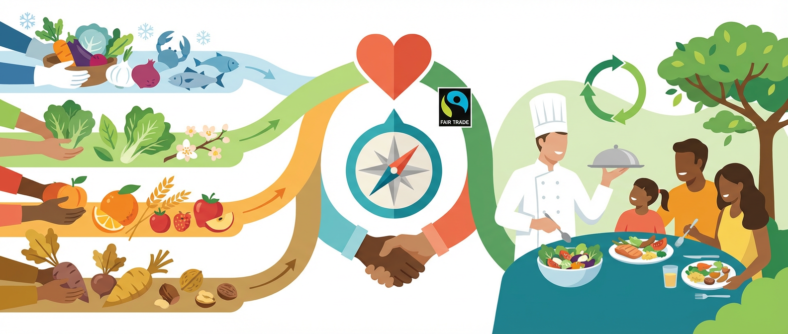
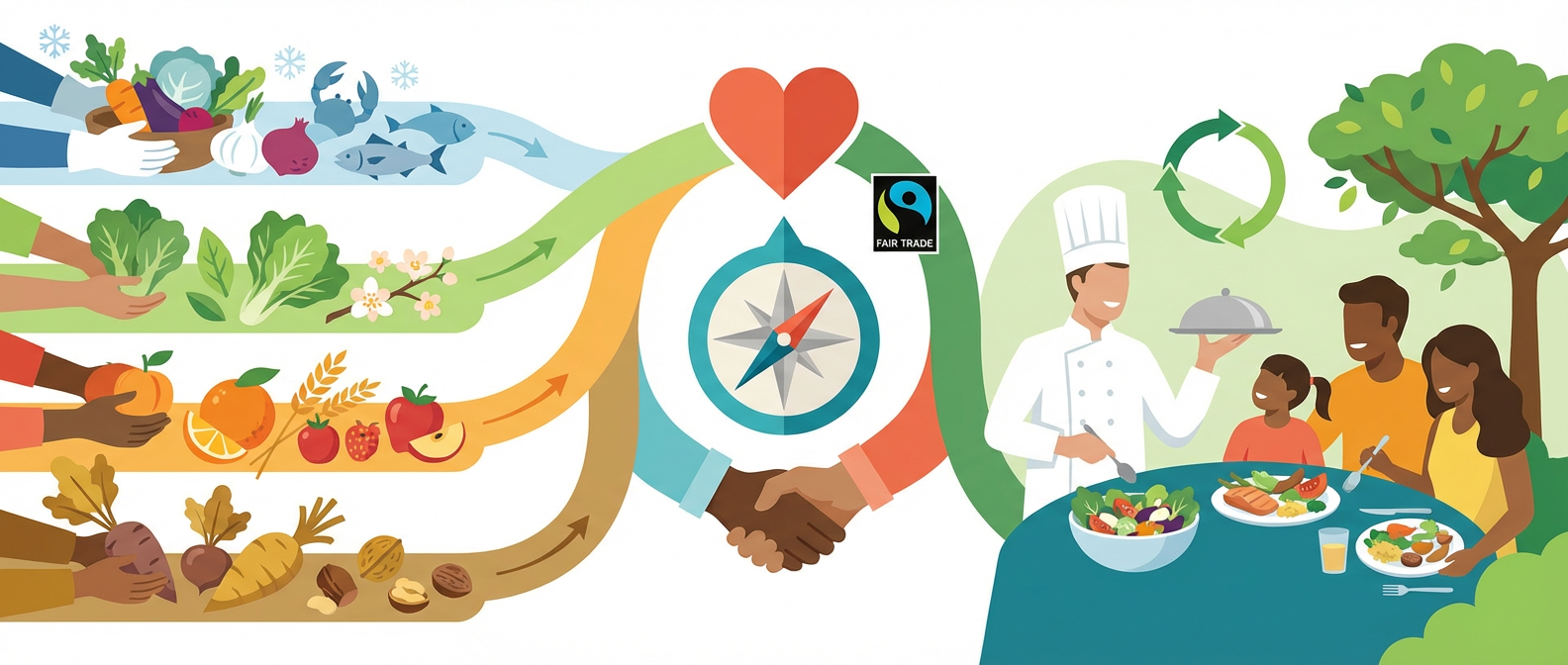
Real seasonal sourcing requires treating your supply chain like an ecosystem. Spring means ramps in Appalachia, fava beans in California’s Central Valley, and the first tender lettuces emerging from cold frames. Summer brings the tomato explosion, stone fruits at their peak, and corn so sweet you can eat it raw. Fall delivers the root vegetable bounty, late-season stone fruits with concentrated sugars, and the last of the outdoor herbs before frost hits.
This isn’t romantic farm-to-table nonsense. It’s practical economics. When ingredients are in season locally, they’re cheaper, fresher, and infinitely more flavorful. A case of August peaches costs less than half what February peaches do, and the difference in quality is astronomical. The August fruit has traveled maybe 300 miles. The February peaches? Probably 3,000, picked weeks before they were ripe.
The best restaurants I’ve worked in built their entire identity around this rhythm. Menus changed every six weeks, not because marketing demanded novelty, but because the ingredients demanded it. When asparagus season hit, we’d run three asparagus preparations simultaneously. Soup, risotto, and a simple grill with hollandaise. Then it would disappear for eleven months. Customers learned to anticipate these cycles, creating a dining culture that celebrated scarcity and abundance in equal measure.
The Hidden Costs of Off-Season Obsession
The environmental math on out-of-season produce is brutal. Those winter strawberries from Chile? They’ve traveled 5,000 miles, requiring refrigerated transport that burns fossil fuels at every mile. The water footprint is even worse. Almonds grown in California’s Central Valley during drought years, avocados from water-stressed regions of Mexico, berries from farms that have depleted local aquifers.
But the economic impact cuts both ways. While consumers pay premium prices for inferior products, local farmers struggle to compete with industrialized operations half a world away. I’ve watched small farms fold because they couldn’t match the year-round production of corporate agriculture. When we buy local strawberries in June instead of Chilean berries in December, we’re voting for a food system that supports regional economies and sustainable farming practices.
The labor ethics tell an even darker story. Much of our off-season produce comes from operations with questionable labor practices. Workers paid below living wages, exposed to dangerous pesticides, housed in substandard conditions. The true cost of those December raspberries includes human suffering that never appears on the price tag. Supporting seasonal, local sourcing isn’t just about flavor or environmental impact. It’s about food justice.
Building Menus That Dance With Nature
Working seasonally requires a fundamental shift in how you approach menu development. Instead of deciding what you want to cook and then finding ingredients, you start with what’s available and build from there. This sounds limiting until you realize it’s actually liberating. Constraints force creativity in ways that unlimited choice never can.
The key is building relationships with farmers and foragers who become your early warning system for what’s coming into season. My produce guy texts me when the first spring onions appear, when the last of the winter squash is moving out, when wild mushrooms emerge after rain. These connections turn seasonal cooking from a burden into a conversation with the land itself.
Preservation techniques become important tools. August’s tomato bounty gets turned into sauce, paste, and dehydrated slices that carry summer’s flavor through winter. Peak-season stone fruits become jams and chutneys. Herbs get frozen in oil, dried, or turned into pestos. This isn’t just meal prep. It’s creating a pantry that tells the story of the year’s harvest.
The challenge is explaining this philosophy to customers accustomed to having everything available all the time. But I’ve found that people respond positively when you frame scarcity as specialness. “Tonight only” becomes more appealing than “always available.” When customers understand that this dish exists because these ingredients are at their absolute peak right now, they engage differently with their meal.
The Seasonal Cook’s Moral Compass
Twenty years of professional cooking has taught me that the best dishes come from respecting ingredients, not fighting them. This means accepting that some combinations simply don’t exist in nature. Tomatoes and root vegetables don’t peak simultaneously, stone fruits and winter squash live in different seasons. Working within these constraints produces more interesting, more delicious food than forcing unnatural partnerships.
Seasonal sourcing also requires developing a tolerance for imperfection. Local produce doesn’t come in uniform sizes. It might have blemishes, irregular shapes, or variation in ripeness. But these “flaws” often indicate superior flavor. The gnarliest heirloom tomato usually tastes better than the perfect hybrid. Learning to work with natural variation instead of fighting it makes you a better cook.
The ethics extend beyond individual ingredient choices to entire food system philosophy. When you commit to seasonal cooking, you’re voting for biodiversity over monoculture, for regional food security over global supply chains, for soil health over short-term profit. These choices ripple outward, supporting the kind of agricultural practices that can sustain us long-term.
What seasonal ingredients are calling to you right now in your region? I’d love to hear about the local specialties that define your area’s food rhythm and how you’re working them into your cooking.